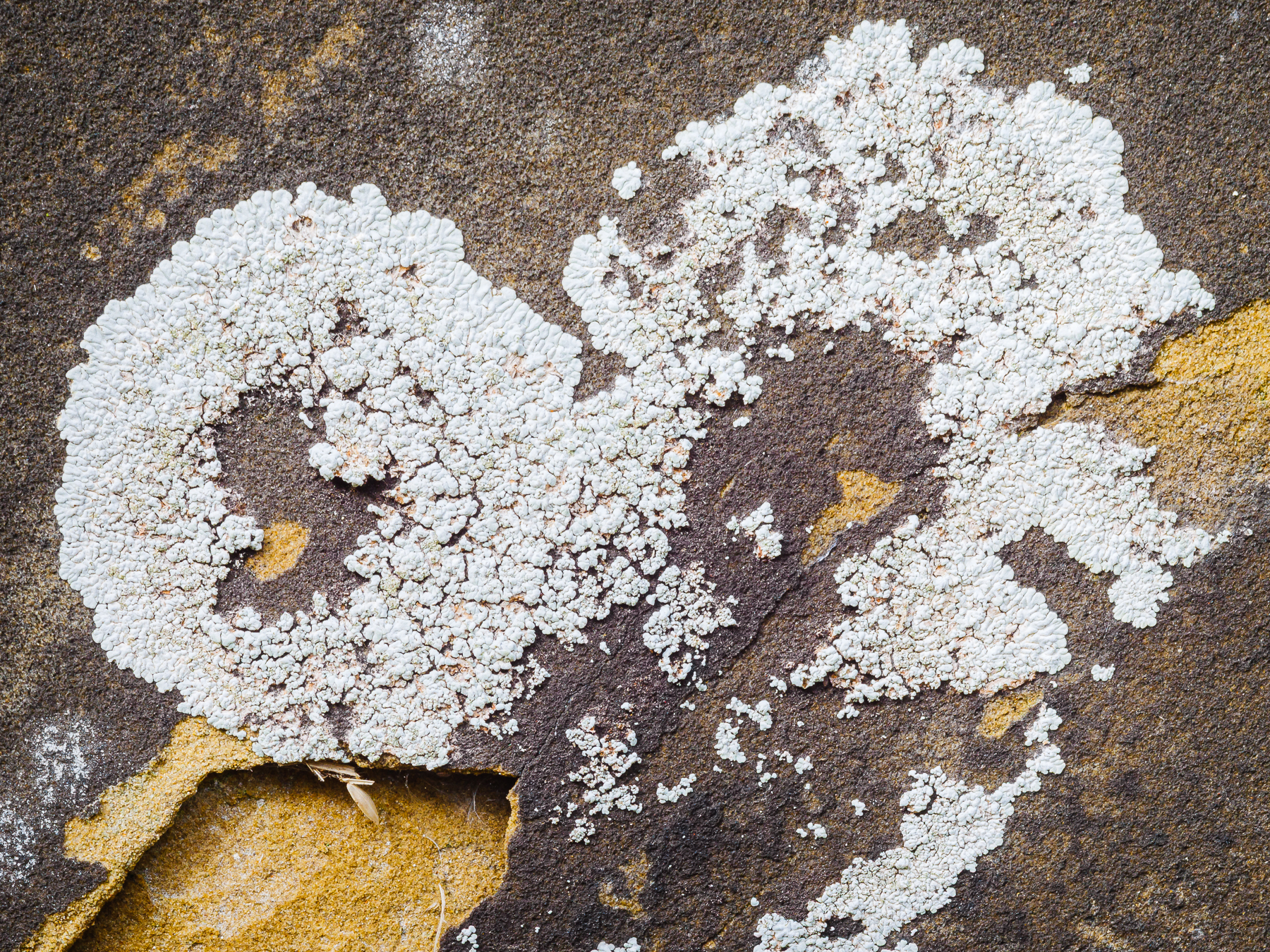
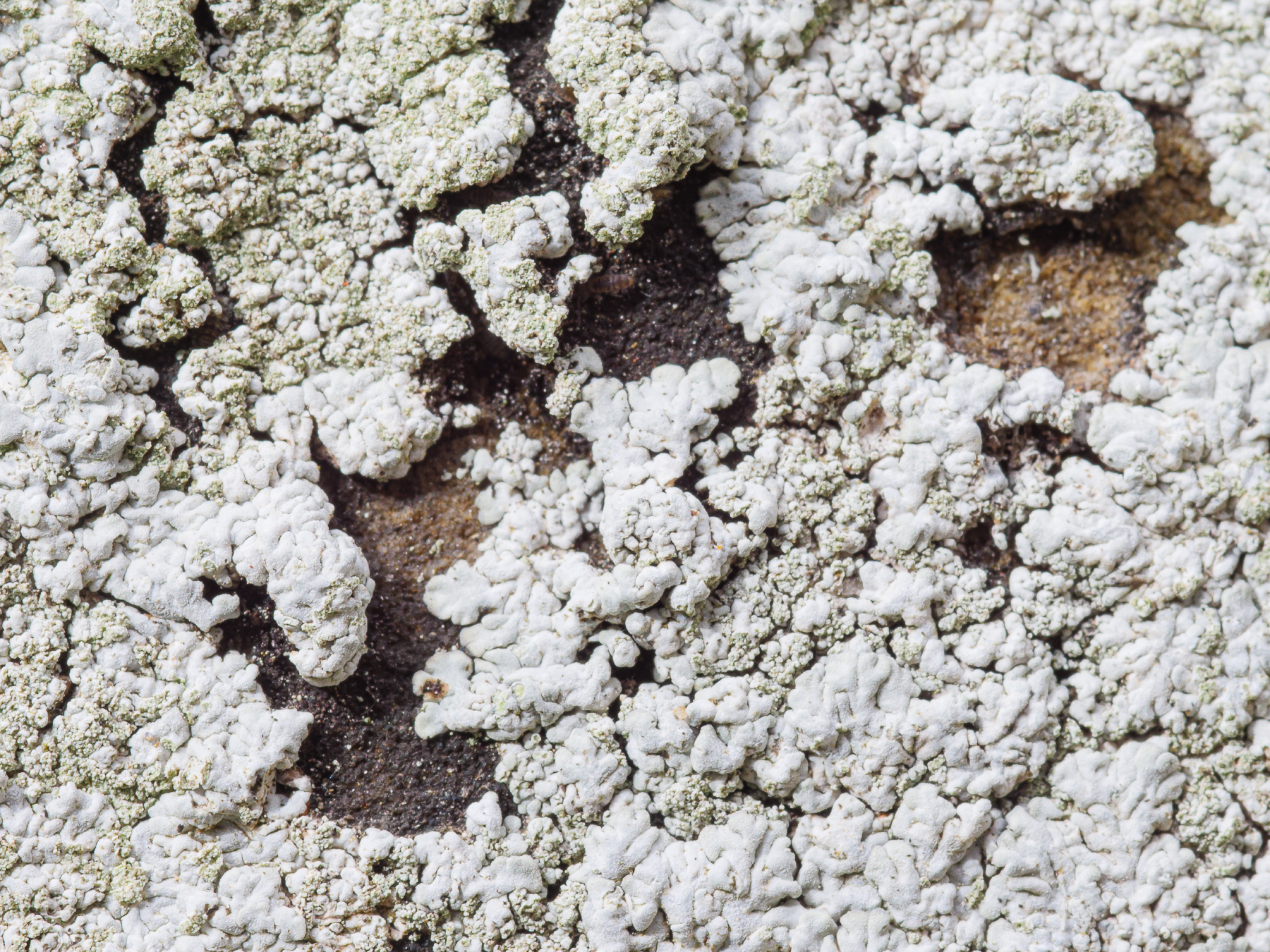
| TAXON: | Diploicia canescens (Dicks.) A. Massal. (1852) |
| RECENT SYNONYMS: | – |
| FAMILY: | Caliciaceae |
| GROWTH FORM: | Crustose, heteromerous |
| SUBSTRATES: | Dry rocks and worked stone; dry, nutrient-enriched bark |
| PHOTOBIONT: | Chlorococcoid alga |
| REPRODUCTION: | Soredia; apothecia, pycnidia locally common near coast but rare inland |
| ASCUS: | Where present, cylindric-clavate; apex Lecanora-type; 8 spores |
| SPORES: | Where present, ascospores ellipsoid, 1-septate, brown, (8.5-)9-12(-15) × (4-)5.5-7(-7.5) µm; conidia rod-shaped, 5-8 × ~0.7 µm |
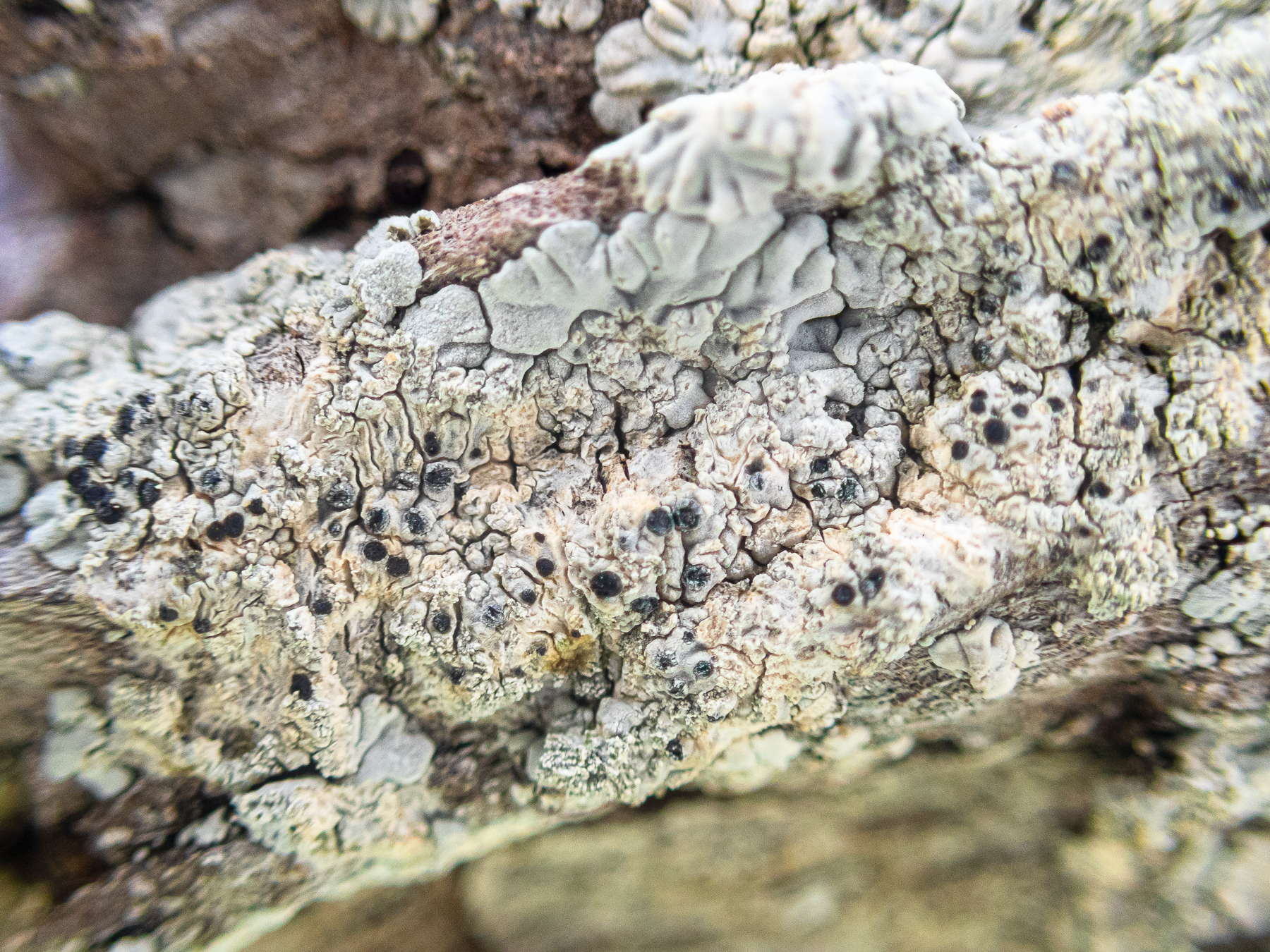
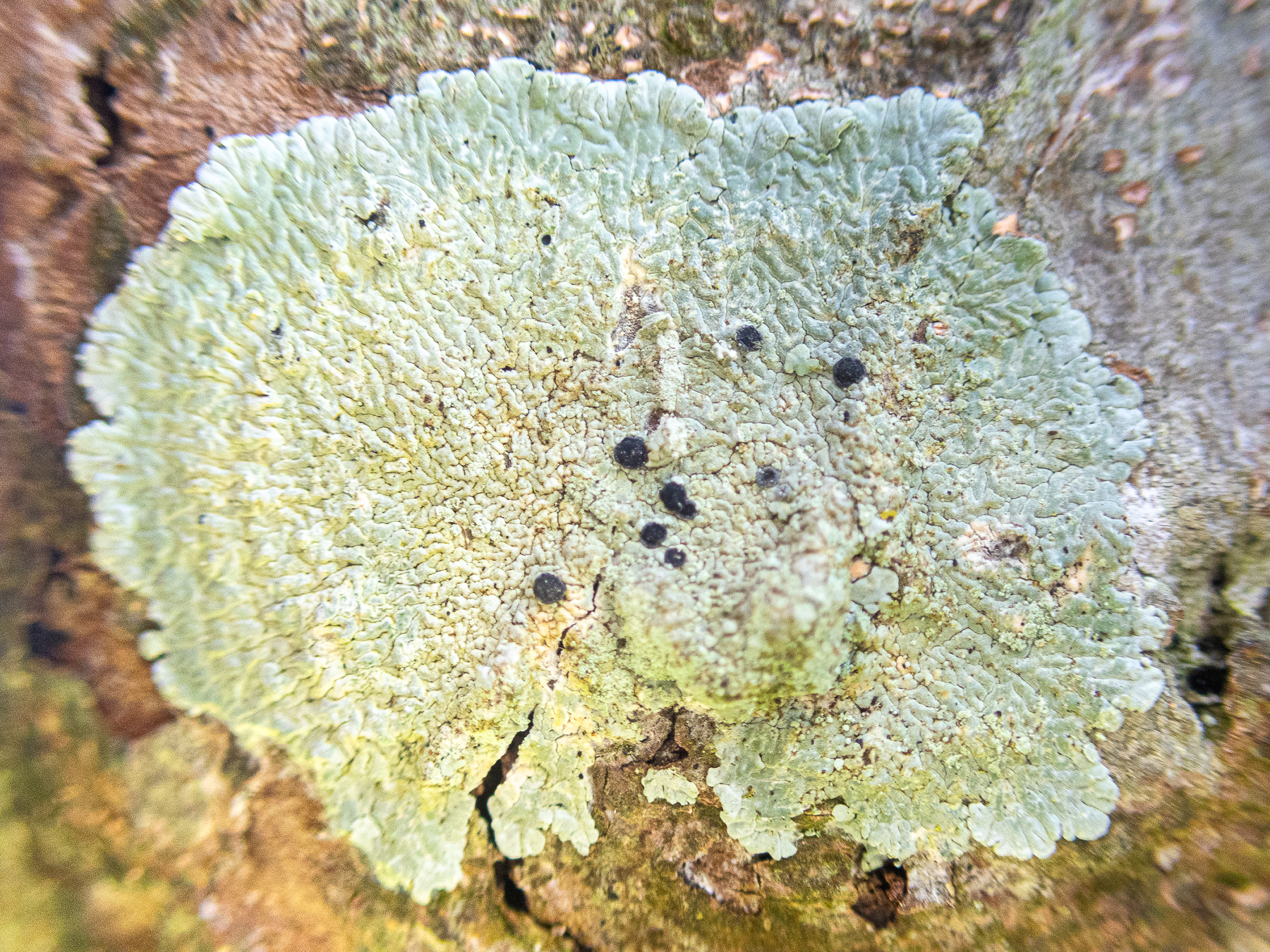
| NOTABLE FEATURES: | Thallus white, placodioid with radiating lobes, pruinose, often individually small but coalescing; soredia greenish-white, laminal, initially separate but becoming confluent; apothecia where present lecideine with black true exciple and disc |
| CHEMICAL TESTS: | K+ yellow, KC+ yellow, UV± dull orange (atranorin, chloratranorin, diploicin and a xanthone) |
| HABITAT: | Wherever suitable substrate available |
| DISTRIBUTION: | Common in lowland Britain; increasingly rarer and coastal in northern Britain |
| CONSERVATION STATUS: | Least Concern |
| LICHENICOLOUS FUNGI: | Arthonia diploiciae, Rhymbocarpus cruciatus |
| IDENTIFICATION DIFFICULTY: | Green 1: Field identification possible |
| CONFUSION SPECIES: | – |
FIELD NOTES
To be added.
LAB NOTES
Diploicia canescens can be identified without microscopy.
SPECIMENS
Diploicia canescens : England : VC26 West Suffolk : TL8746 : June 2026 : On Quercus trunk : © Anthony Speca : CC BY-SA 4.0

Diploicia canescens : Wales : VC52 Anglesey : SH3592 : April 2026 : On Acer trunk : © Anthony Speca : CC BY-SA 4.0
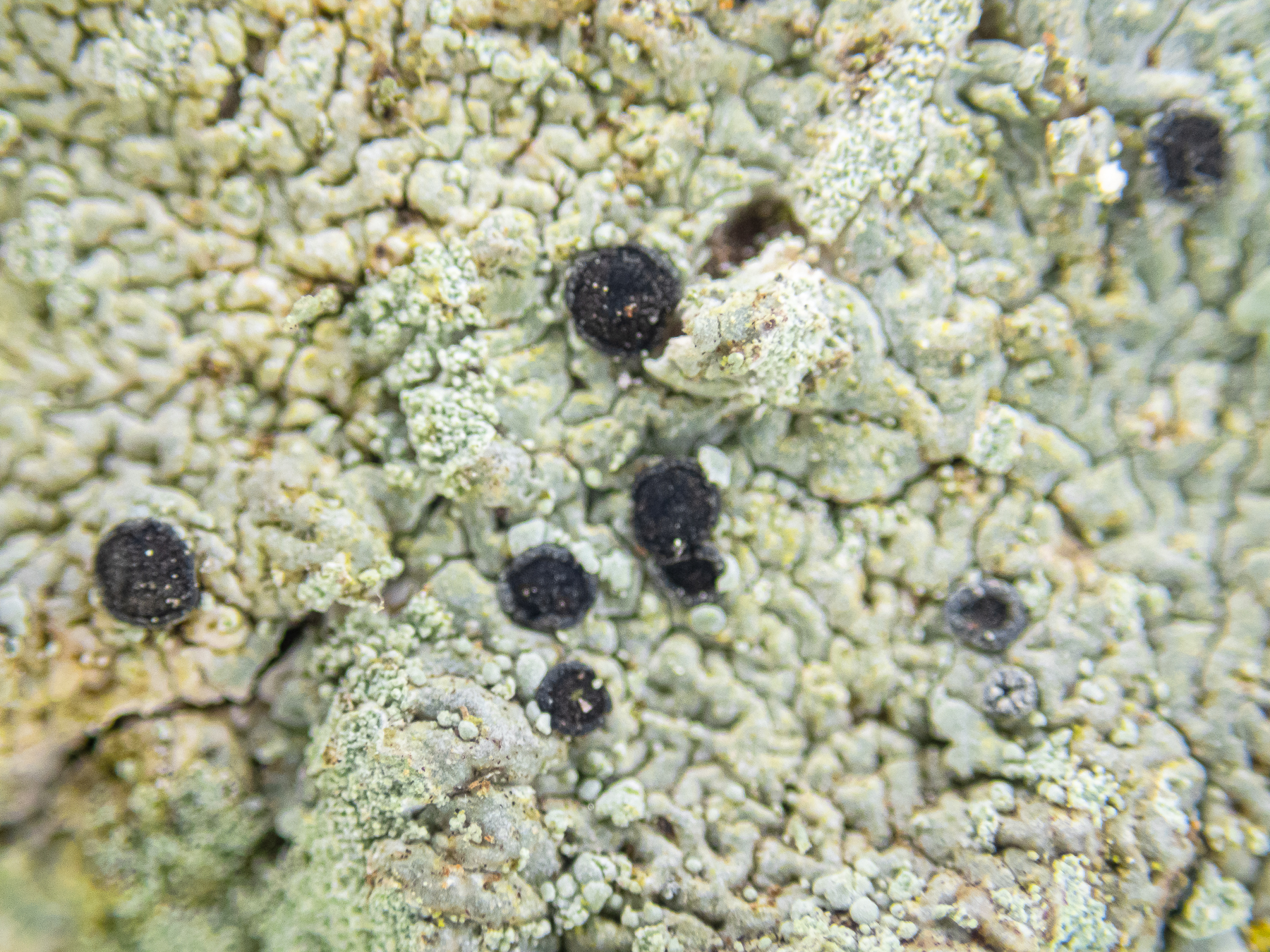
Diploicia canescens : England : VC25 East Suffolk : TM5075 : July 2024 : On Populus trunk : © Anthony Speca : CC BY-SA 4.0
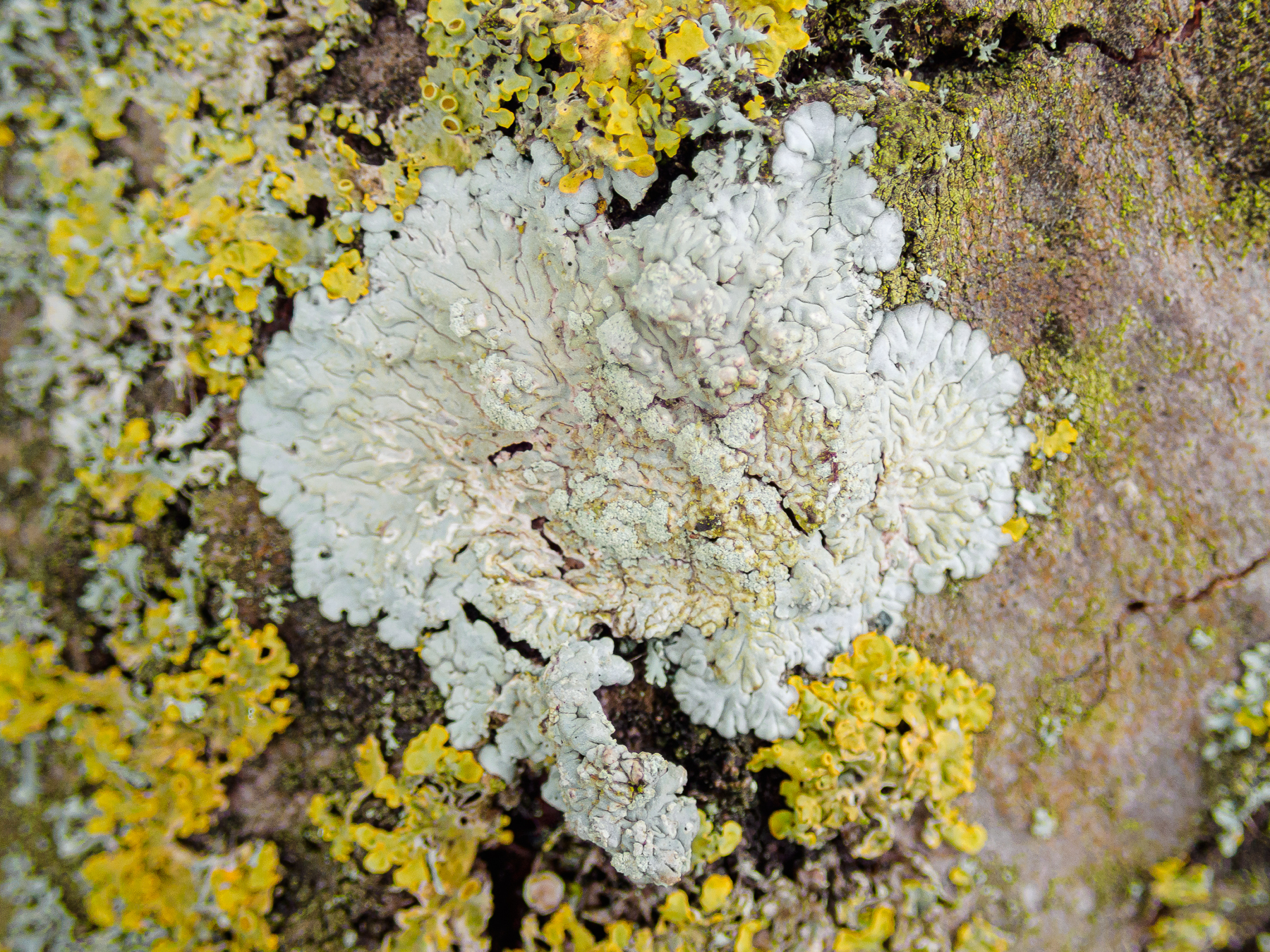
Diploicia canescens : England : VC25 East Suffolk : TM3389 : December 2023 : On limestone memorial : © Anthony Speca : CC BY-SA 4.0
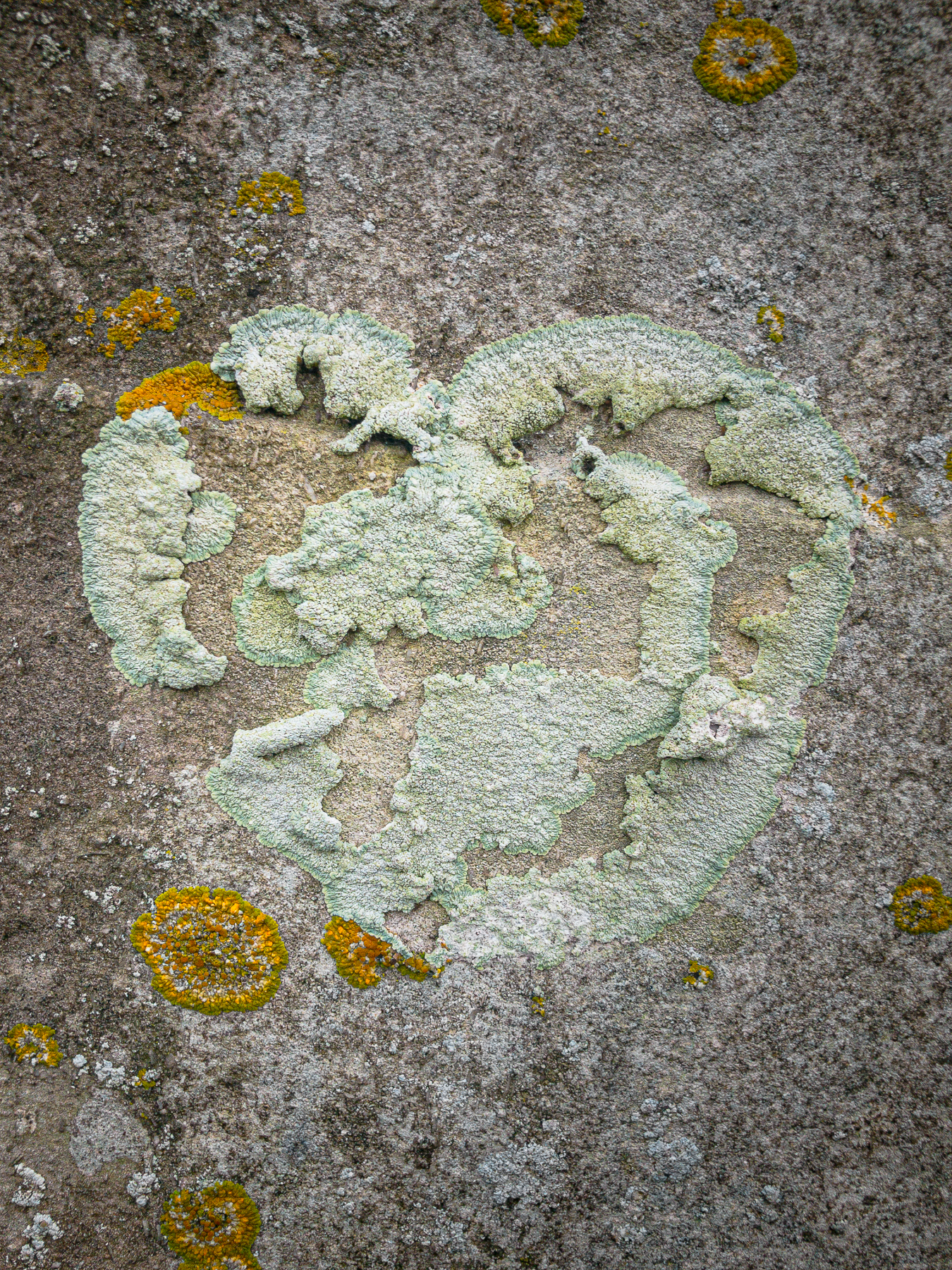
Diploicia canescens : England : VC25 East Suffolk : TM3389 : April 2023 : On Prunus trunk : © Anthony Speca : CC BY-SA 4.0
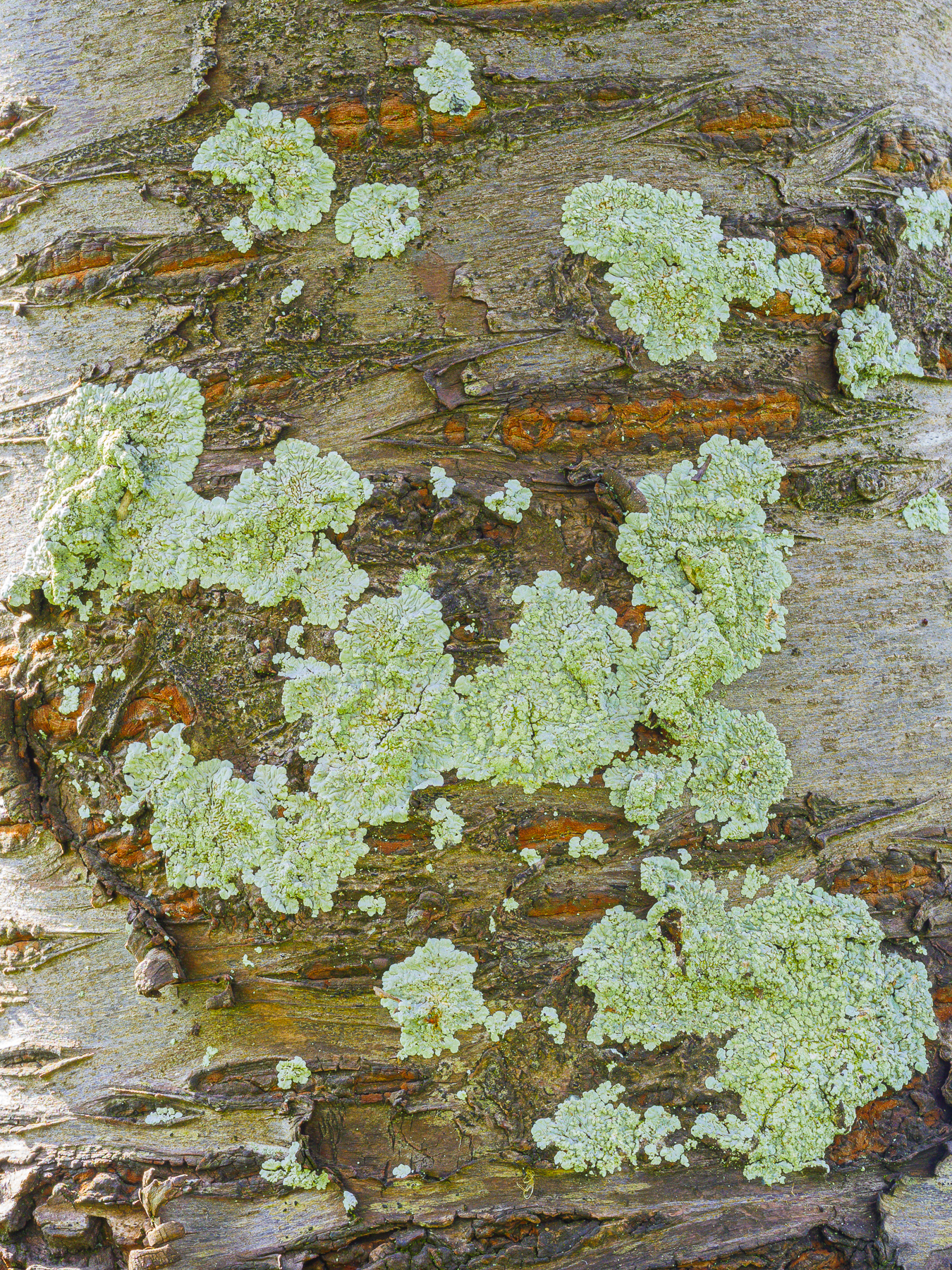
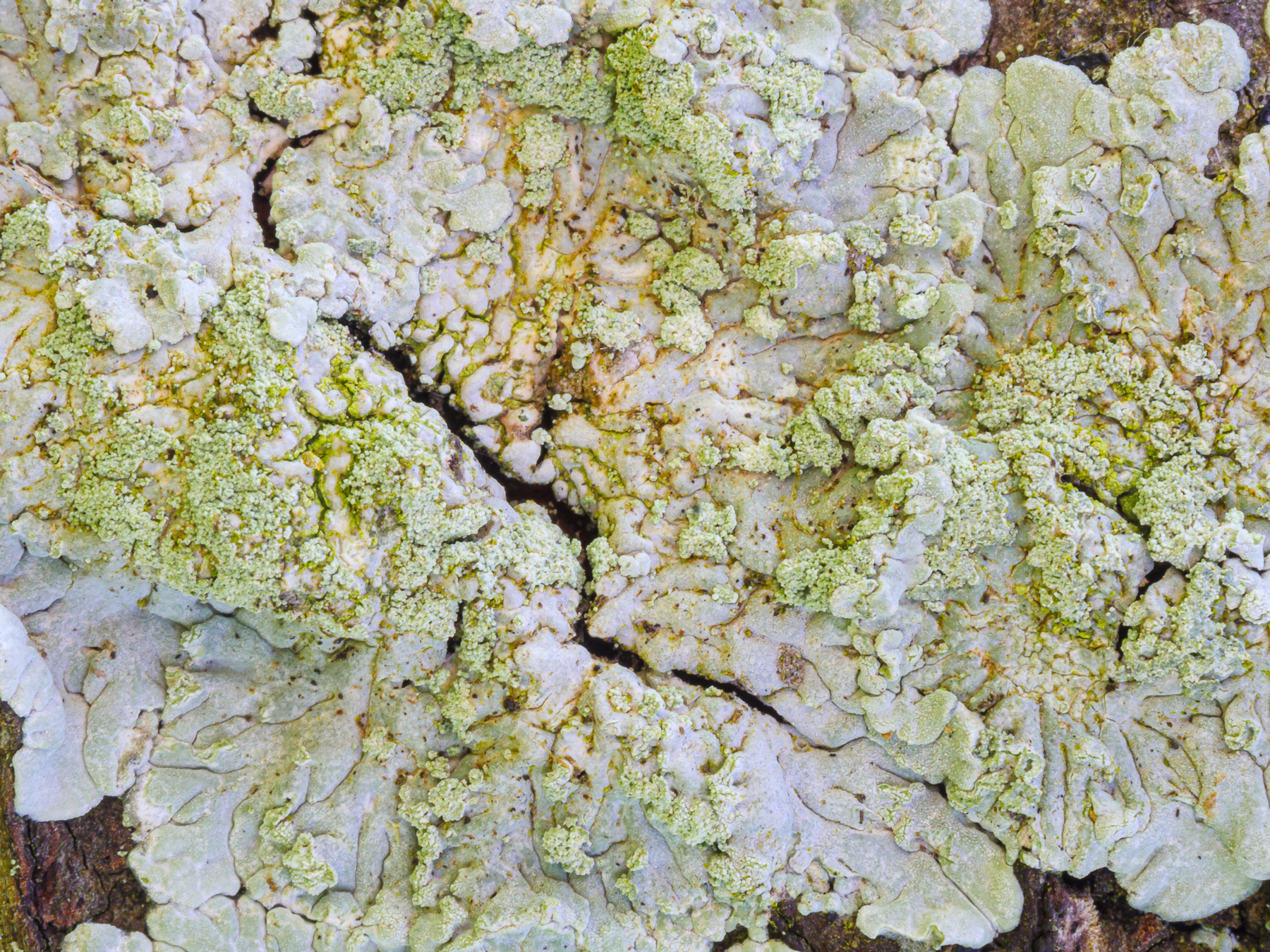
Diploicia canescens : England : VC25 East Suffolk : TM3389 : December 2022 : On clay brick : © Anthony Speca : CC BY-SA 4.0
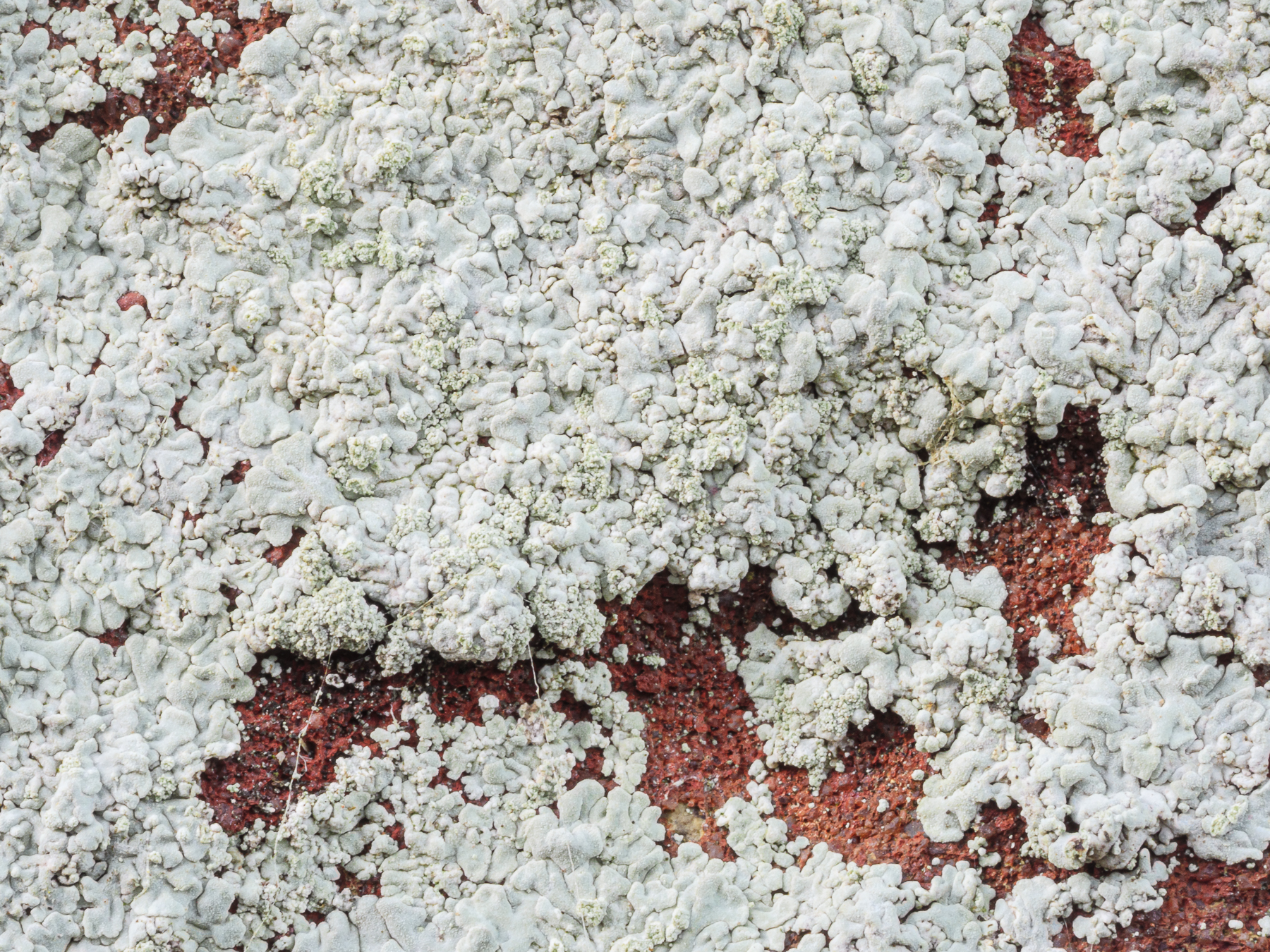
Diploicia canescens : England : VC25 East Suffolk : TM3389 : September 2022 : On limestone gravestone : © Anthony Speca : CC BY-SA 4.0


Diploicia canescens : England : VC25 East Suffolk : TM3389 : September 2022 : On sandstone gravestone : © Anthony Speca : CC BY-SA 4.0