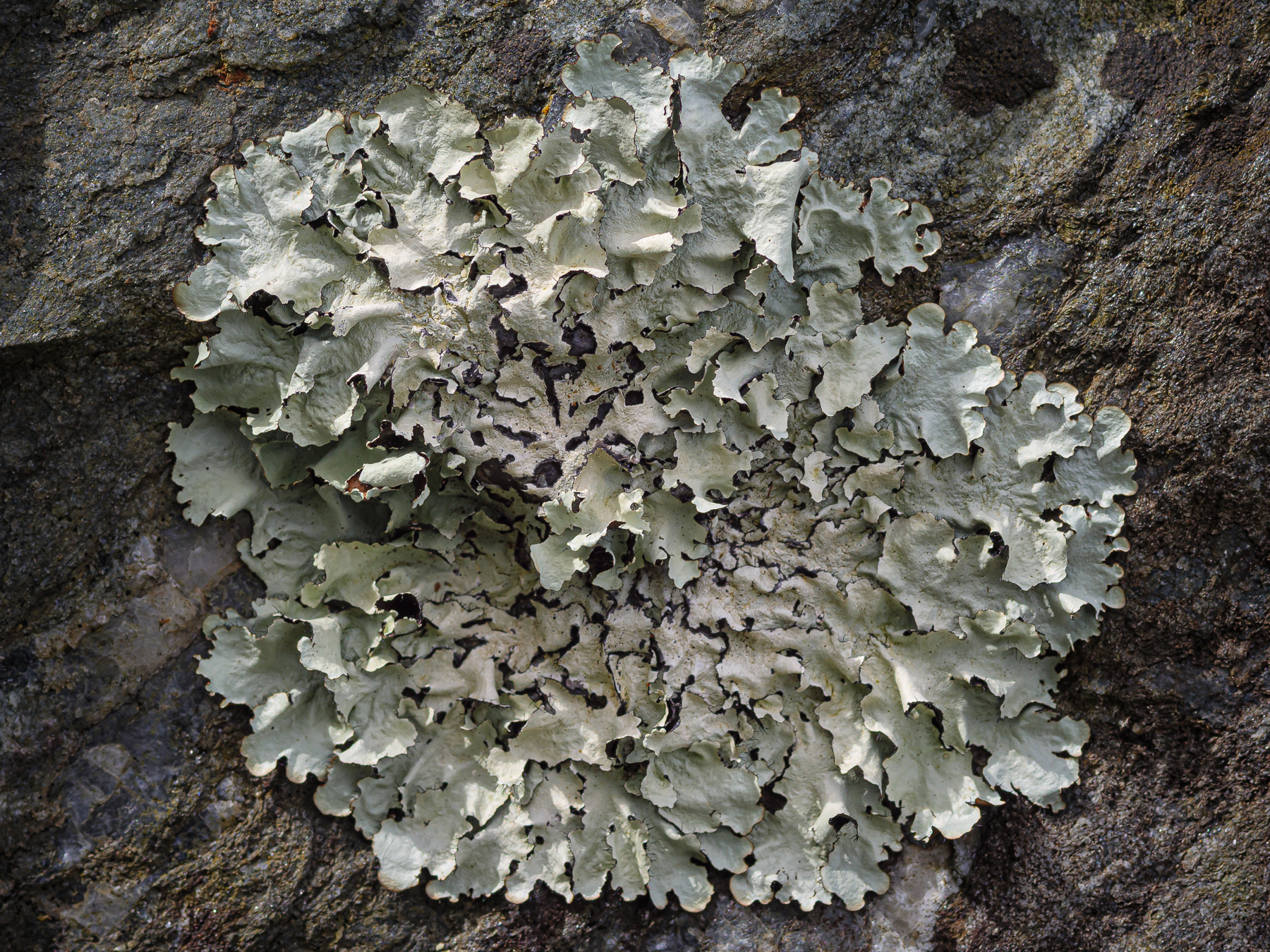
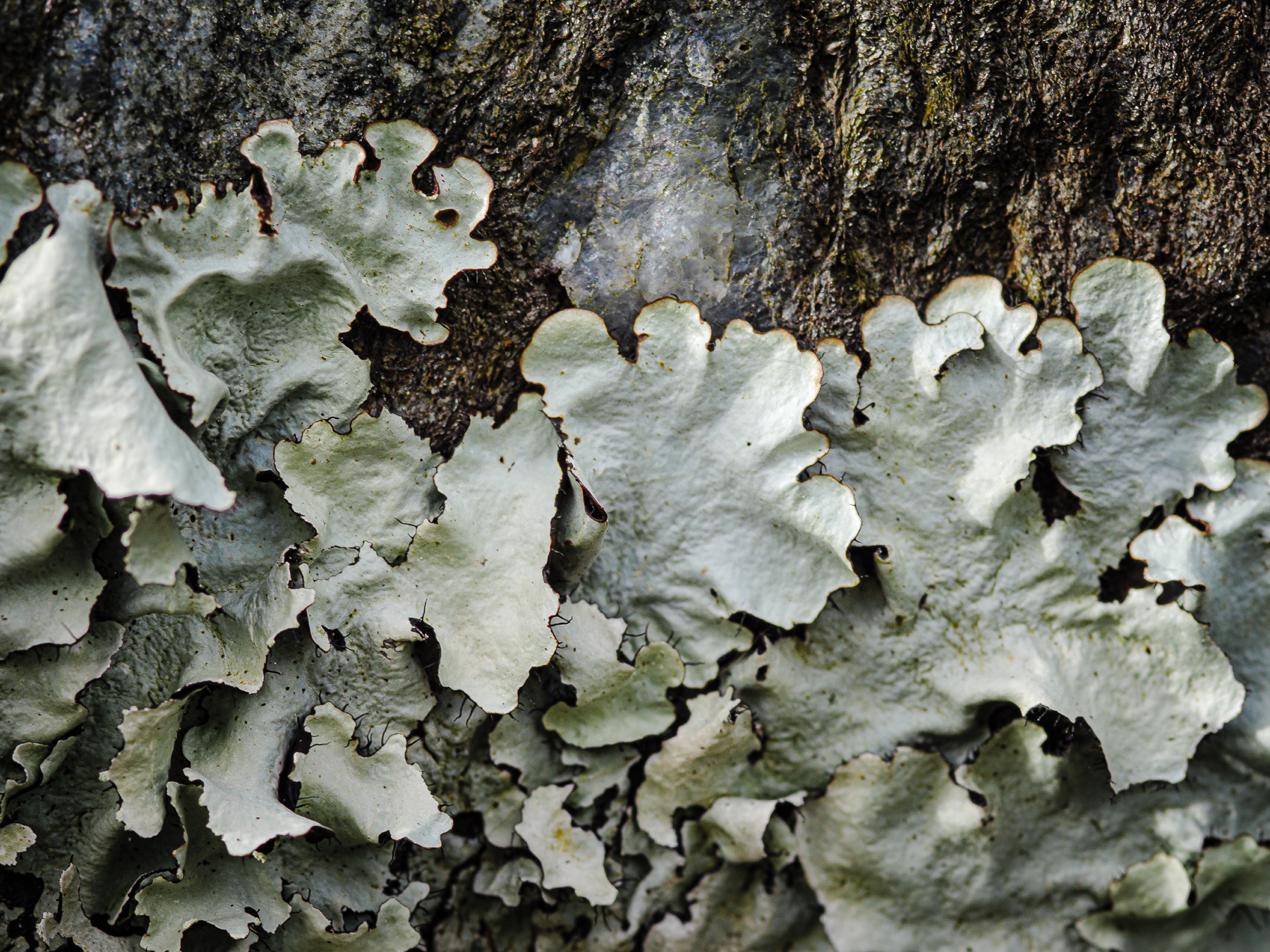
| TAXON: | Parmotrema perlatum (Huds.) M. Choisy (1952) |
| RECENT SYNONYMS: | – |
| FAMILY: | Parmeliaceae |
| GROWTH FORM: | Foliose, heteromerous |
| SUBSTRATES: | Well-lit, mesic to slightly acid bark of deciduous trees; siliceous rocks and worked stone, including coastal rocks and shingle |
| PHOTOBIONT: | Chlorococcoid alga |
| REPRODUCTION: | Soredia; apothecia, pycnidia rare |
| ASCUS: | Where present, cylindric-clavate; apex Lecanora-type; 8 spores |
| SPORES: | Where present, ellipsoid; 21–28 × 12–15(-18) µm; conidia not seen |
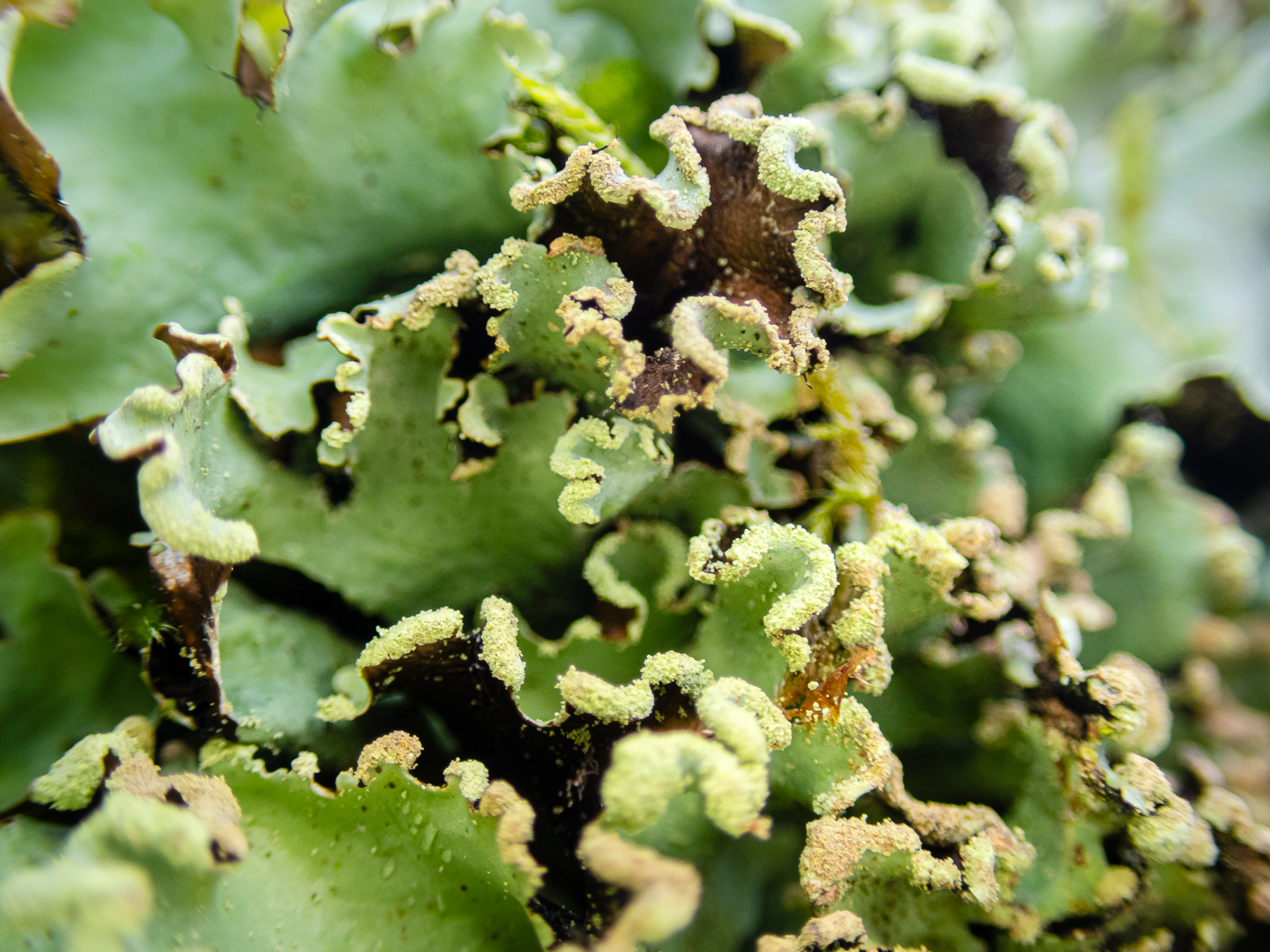
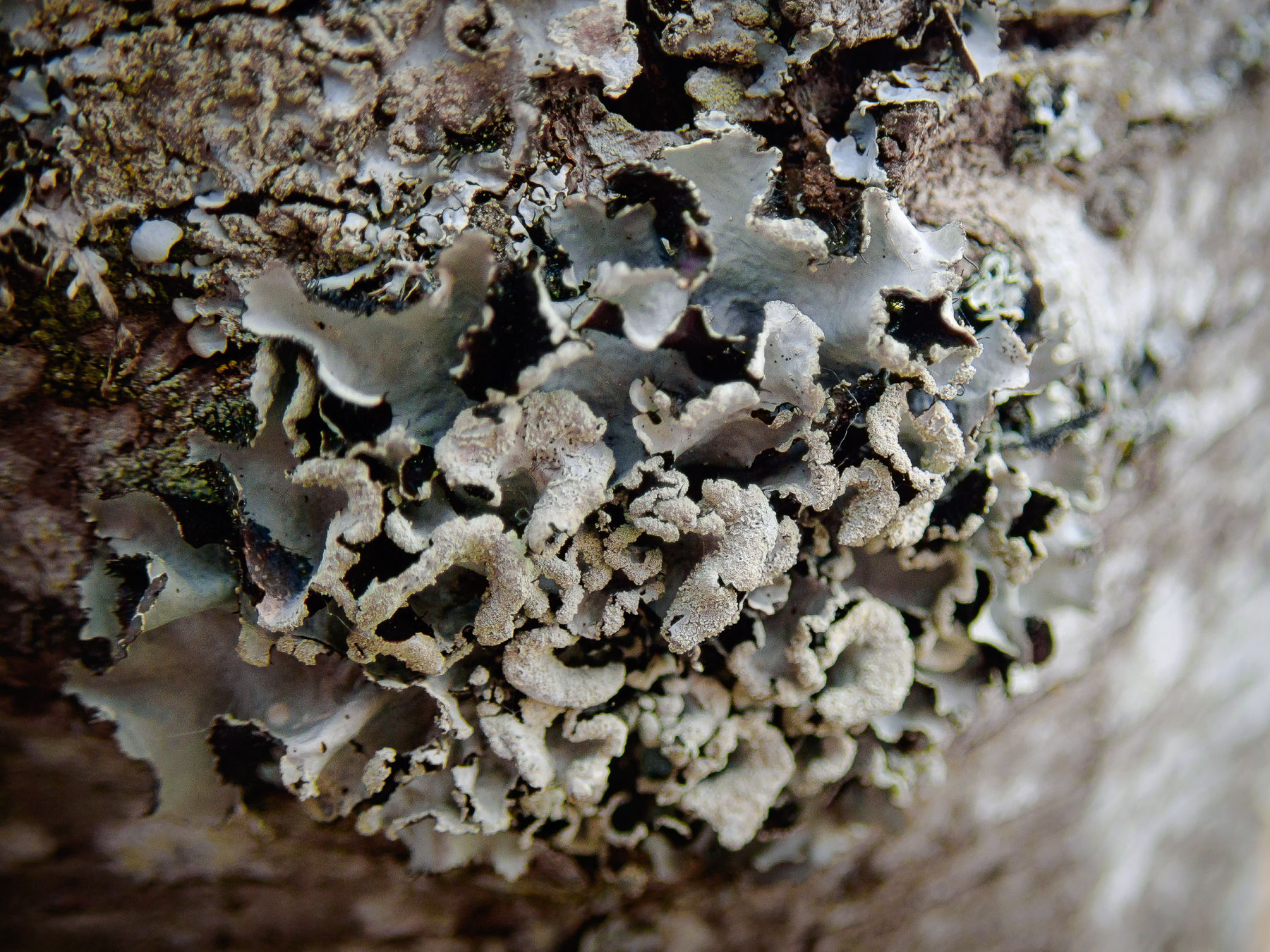
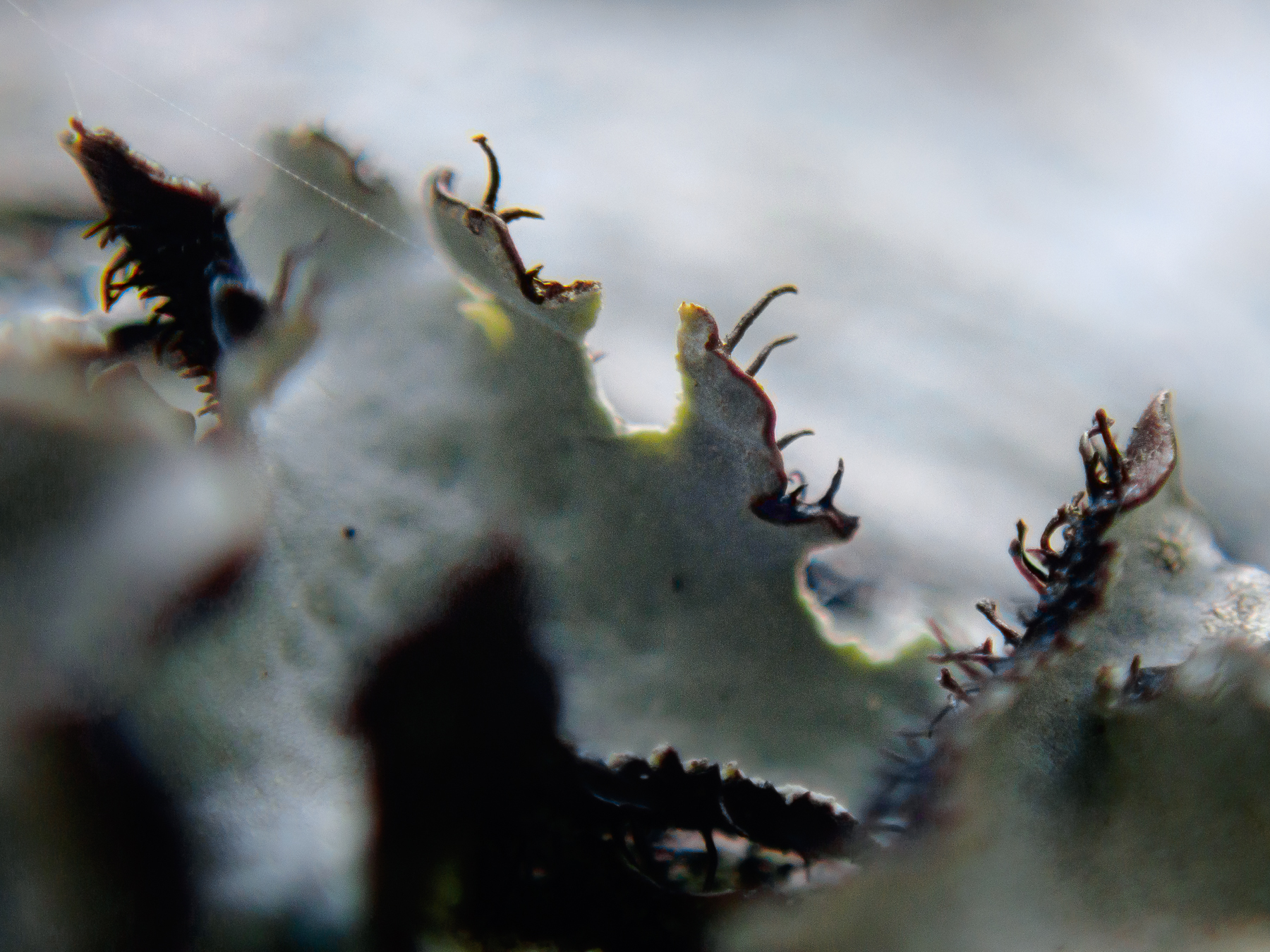
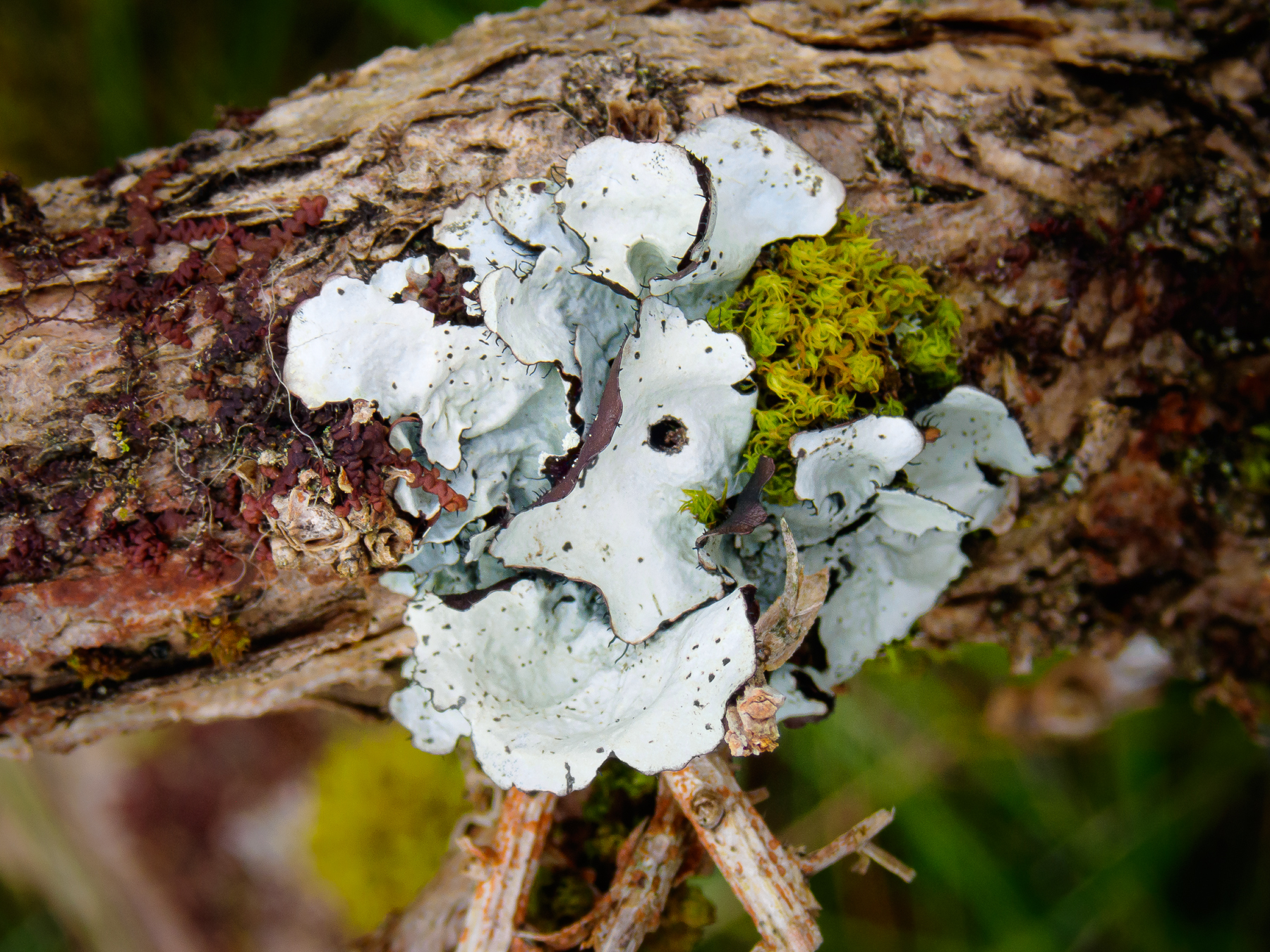
| NOTABLE FEATURES: | Thallus silver- to gray-green, large, sometimes rosette-forming; lobes wide, loose towards thallus edge, more closely adpressed and wrinkled in thallus centre, with scattered, black marginal cilia that are usually but not always abundant; underside black, brown at lobe edges; rhizines black, simple, usually absent at lobe edges; soralia linear, marginal to sub-marginal on somewhat reflexed lobe-edges; soredia fine, sometimes clustered |
| CHEMICAL TESTS: | Cortex K+ yellow; medulla K+ yellow, KC+ yellow-orange, Pd+ yellow-orange, UV± ice-blue (atranorin, stictic acid, constictic acid, other acids) |
| HABITAT: | Wherever suitable substrate available |
| DISTRIBUTION: | Common and widespread in Britain, but still recolonising areas of central and eastern regions previously affected by sulphur pollution |
| CONSERVATION STATUS: | Least Concern |
| LICHENICOLOUS FUNGI: | Abrothallus parmotrematis, Briancoppinsia cytospora, Lichenoconium erodens, Marchandiomyces corallinus, Spirographa sp. |
| IDENTIFICATION DIFFICULTY: | Green 1: Field identification possible |
| CONFUSION SPECIES: | Parmotrema arnoldii, P. robustum |
FIELD NOTES
To be added.
LAB NOTES
Parmotrema perlatum can be identified without microscopy.
SPECIMENS
Parmotrema perlatum : England : VC40 Shropshire : SJ7312 : February 2026 : On Quercus trunk : © Anthony Speca : CC BY-SA 4.0
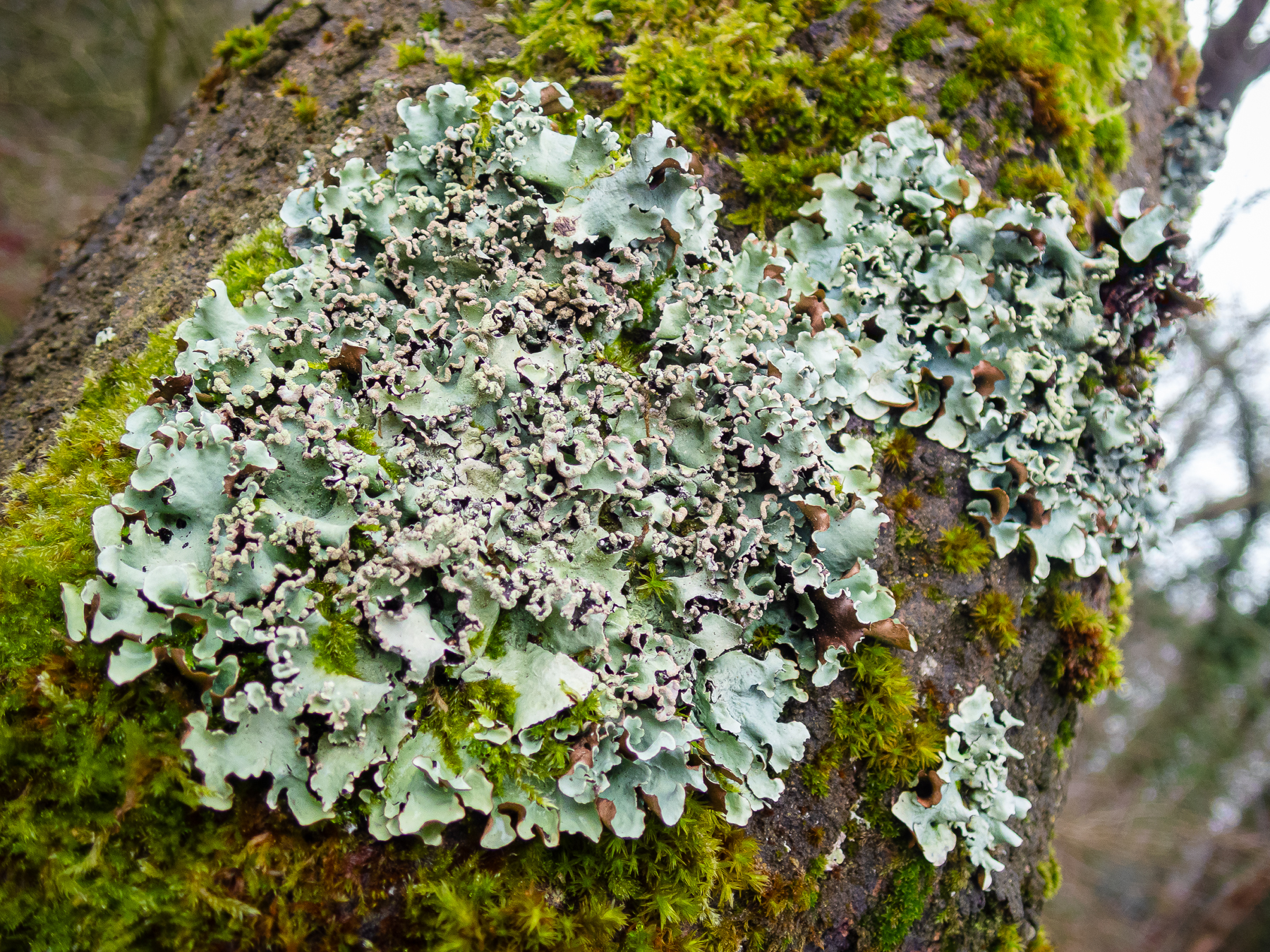
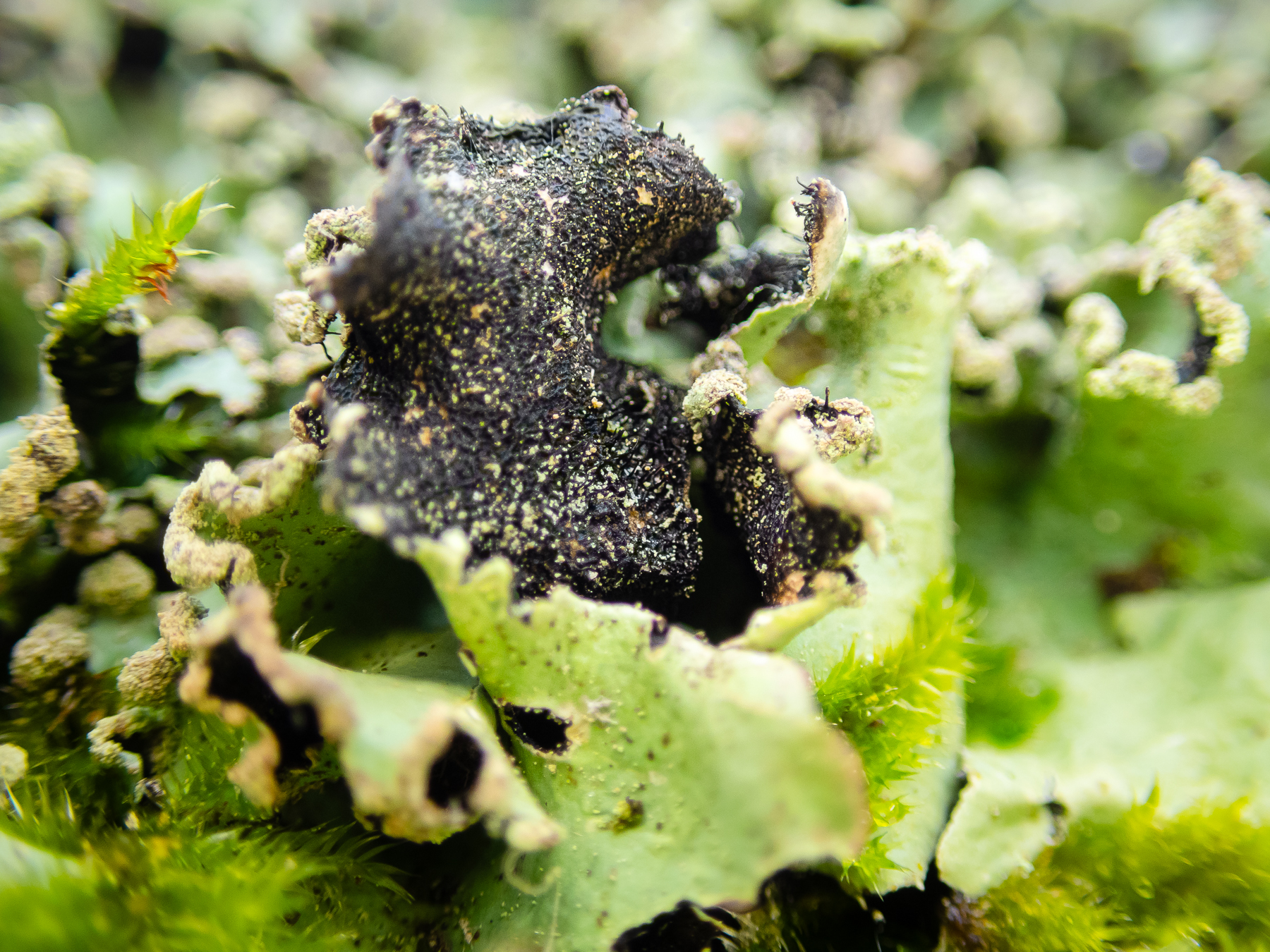

Parmotrema perlatum : England : VC25 East Suffolk : TM5091 : May 2025 : On unknown bark on rough fence-post : © Anthony Speca : CC BY-SA 4.0
Parmotrema perlatum : Scotland : VC98 Argyll : NR7993 : August 2024 : On Ulex branch : © Anthony Speca : CC BY-SA 4.0
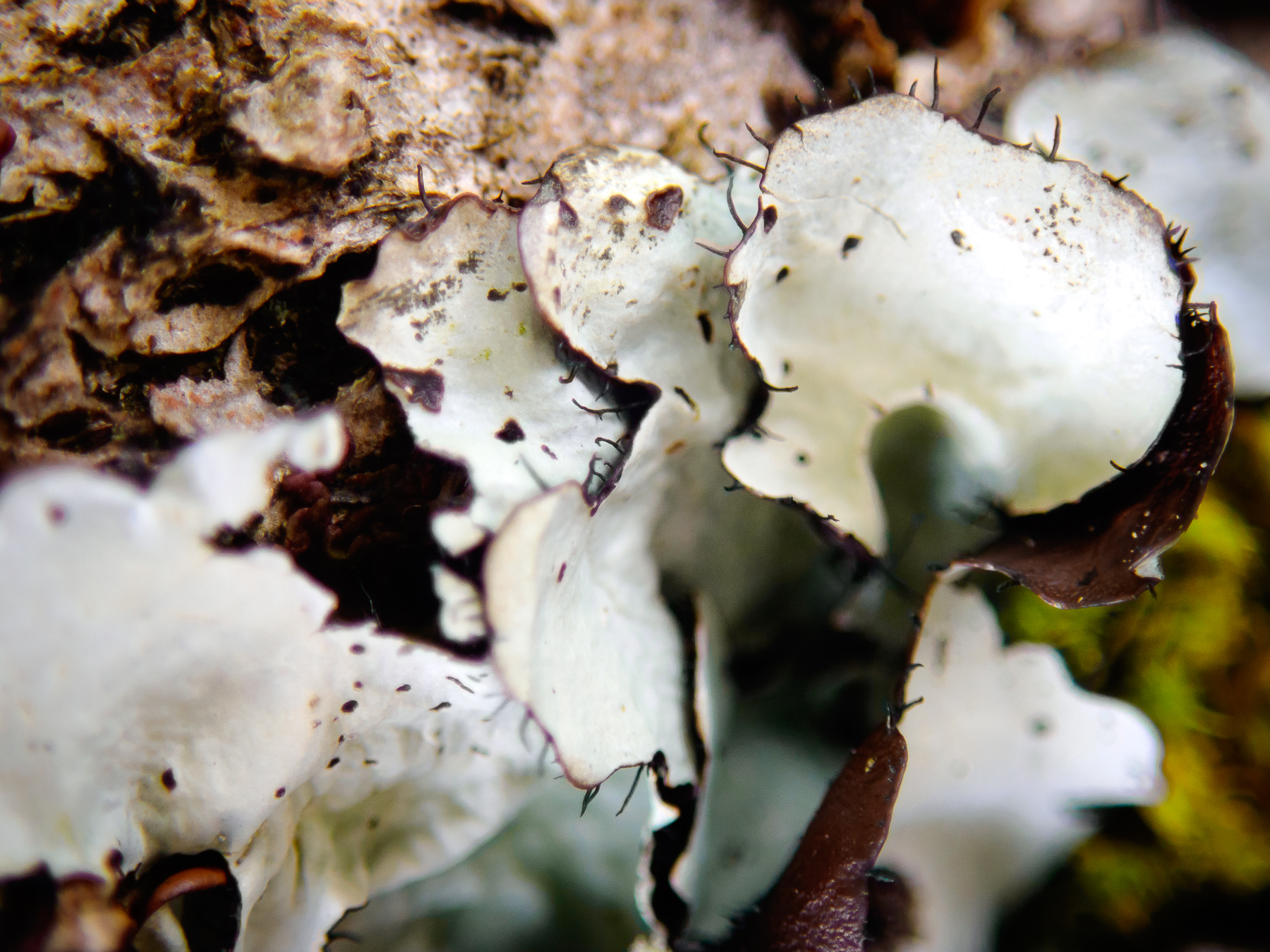
Parmotrema perlatum : Scotland : VC98 Argyll : NR7993 : August 2024 : On siliceous boulders : © Anthony Speca : CC BY-SA 4.0
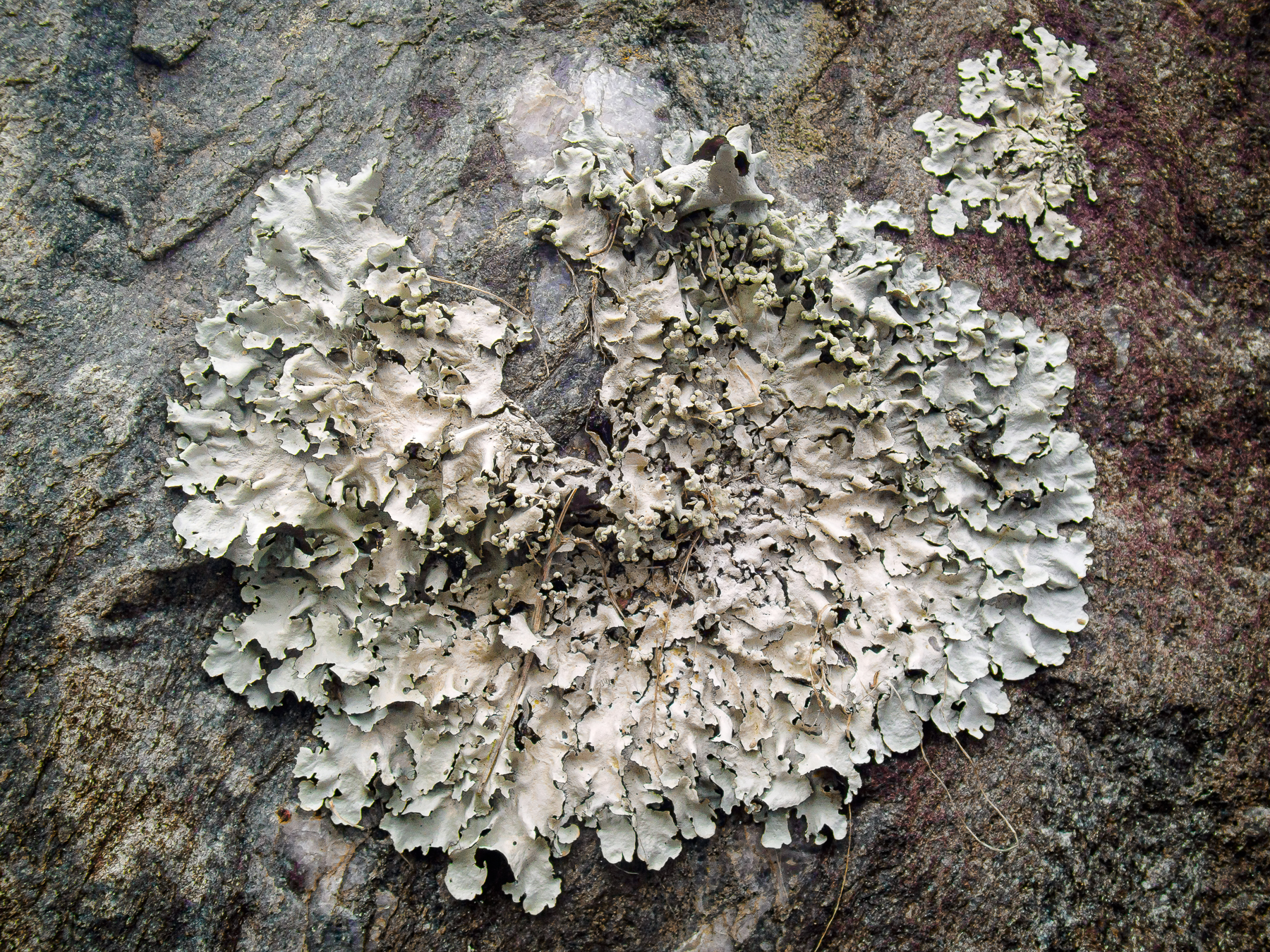
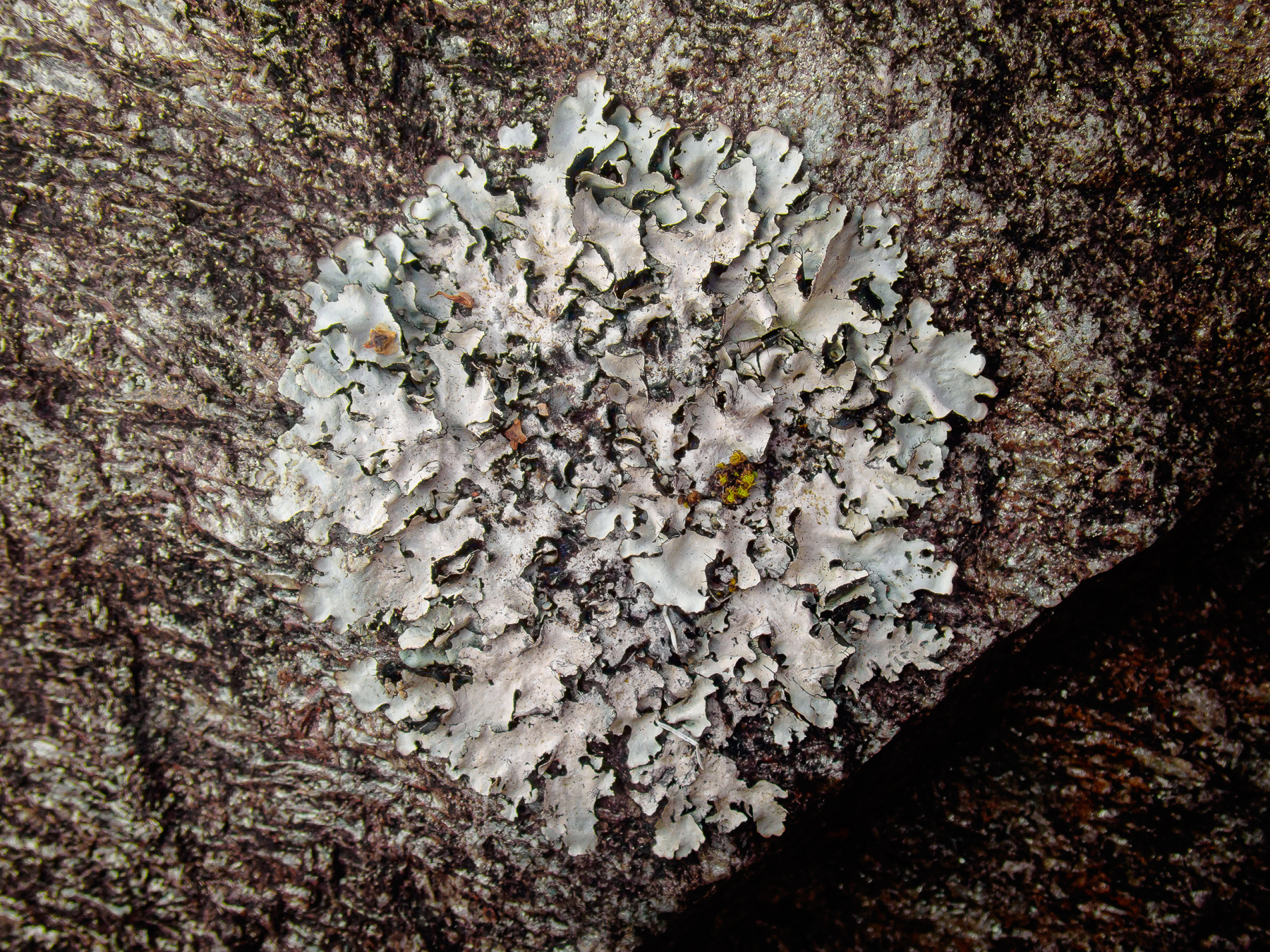
Parmotrema perlatum : Scotland : VC98 Argyll : NR8393 : August 2024 : On siliceous outcrop : © Anthony Speca : CC BY-SA 4.0
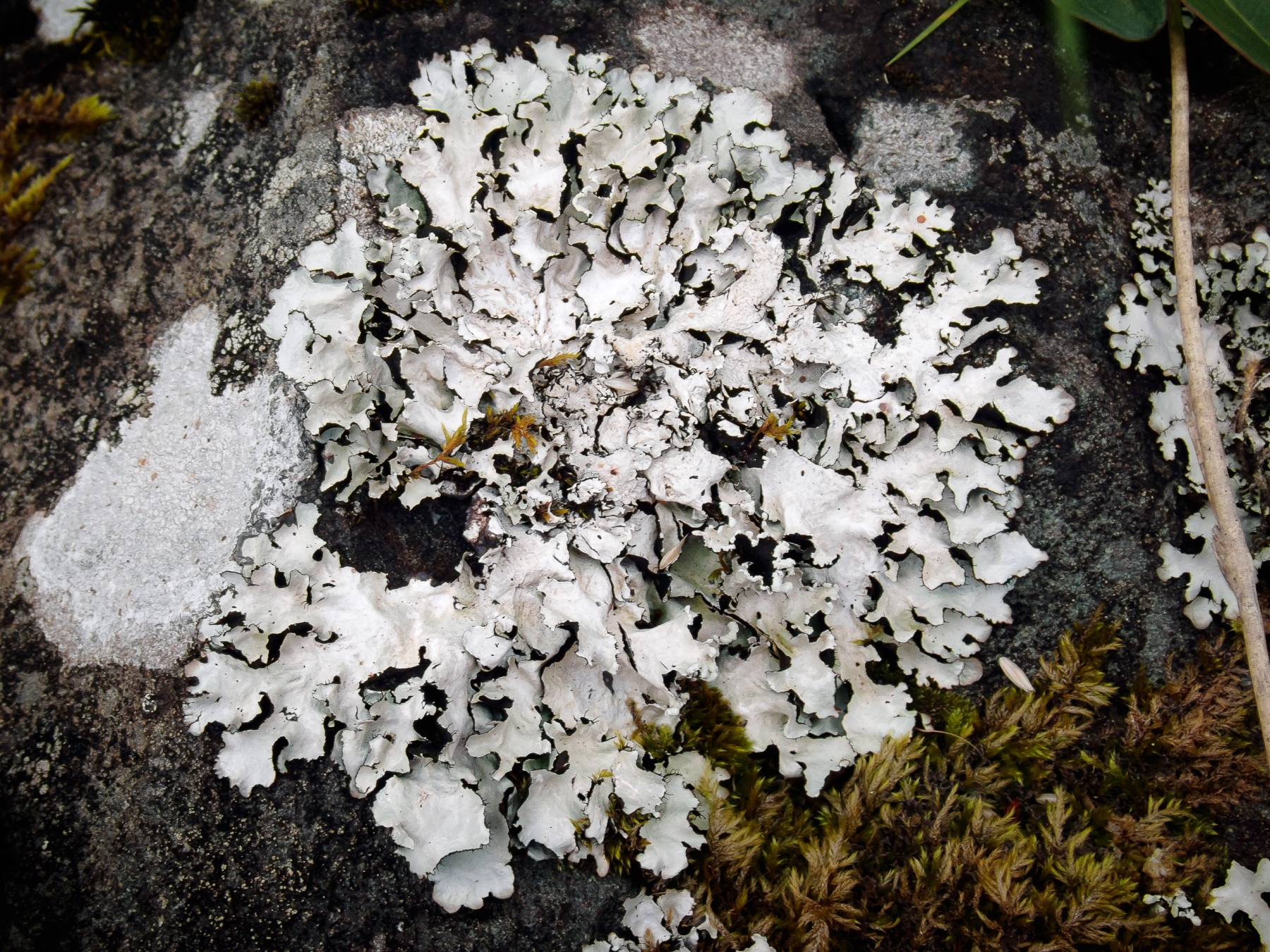
Parmotrema perlatum : Scotland : VC101 Kintyre : NR6974 : August 2024 : On siliceous outcrop : © Anthony Speca : CC BY-SA 4.0
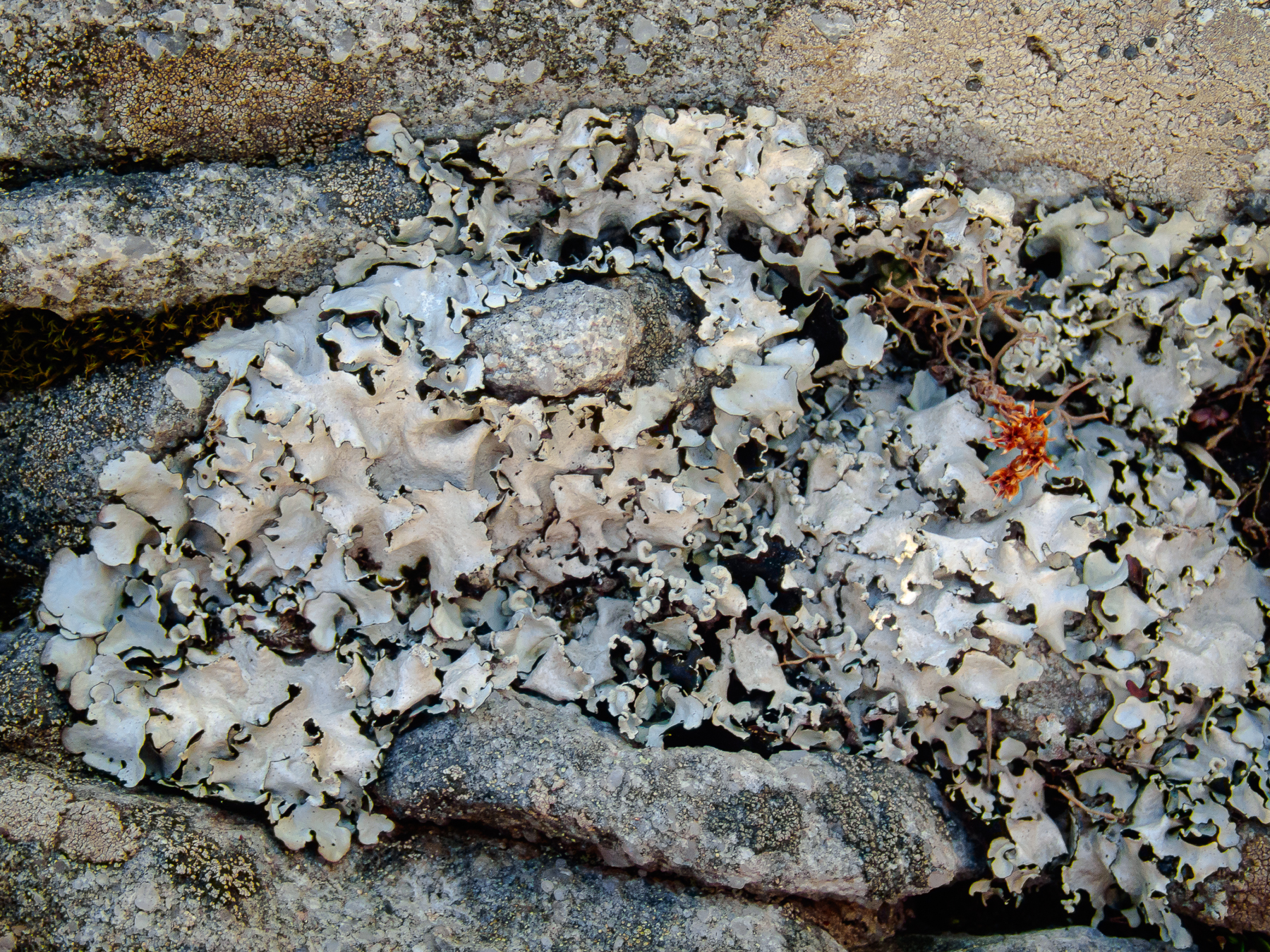
Parmotrema perlatum : Scotland : VC101 Kintyre : NR7372 : August 2024 : On siliceous boulder : © Anthony Speca : CC BY-SA 4.0
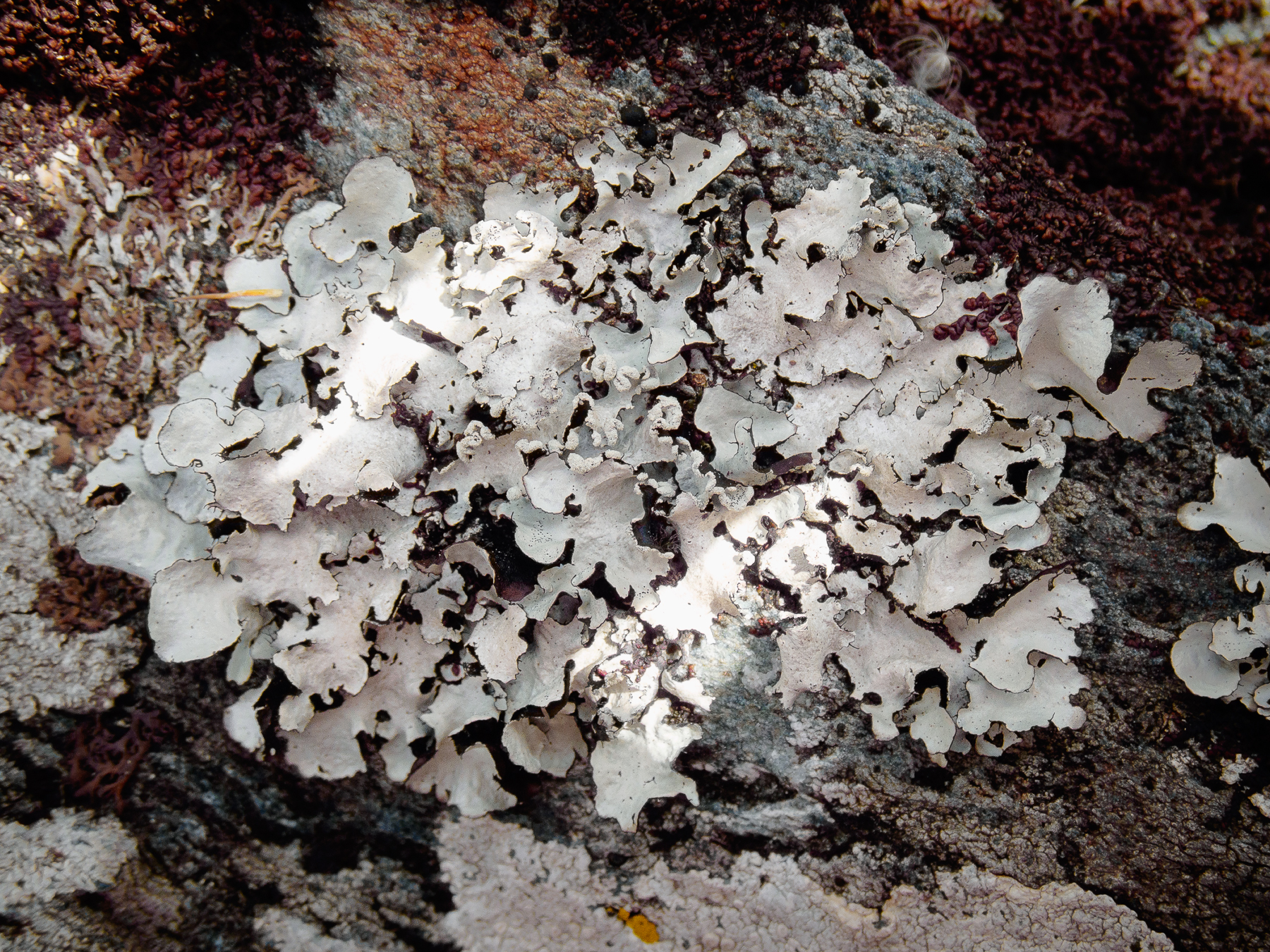
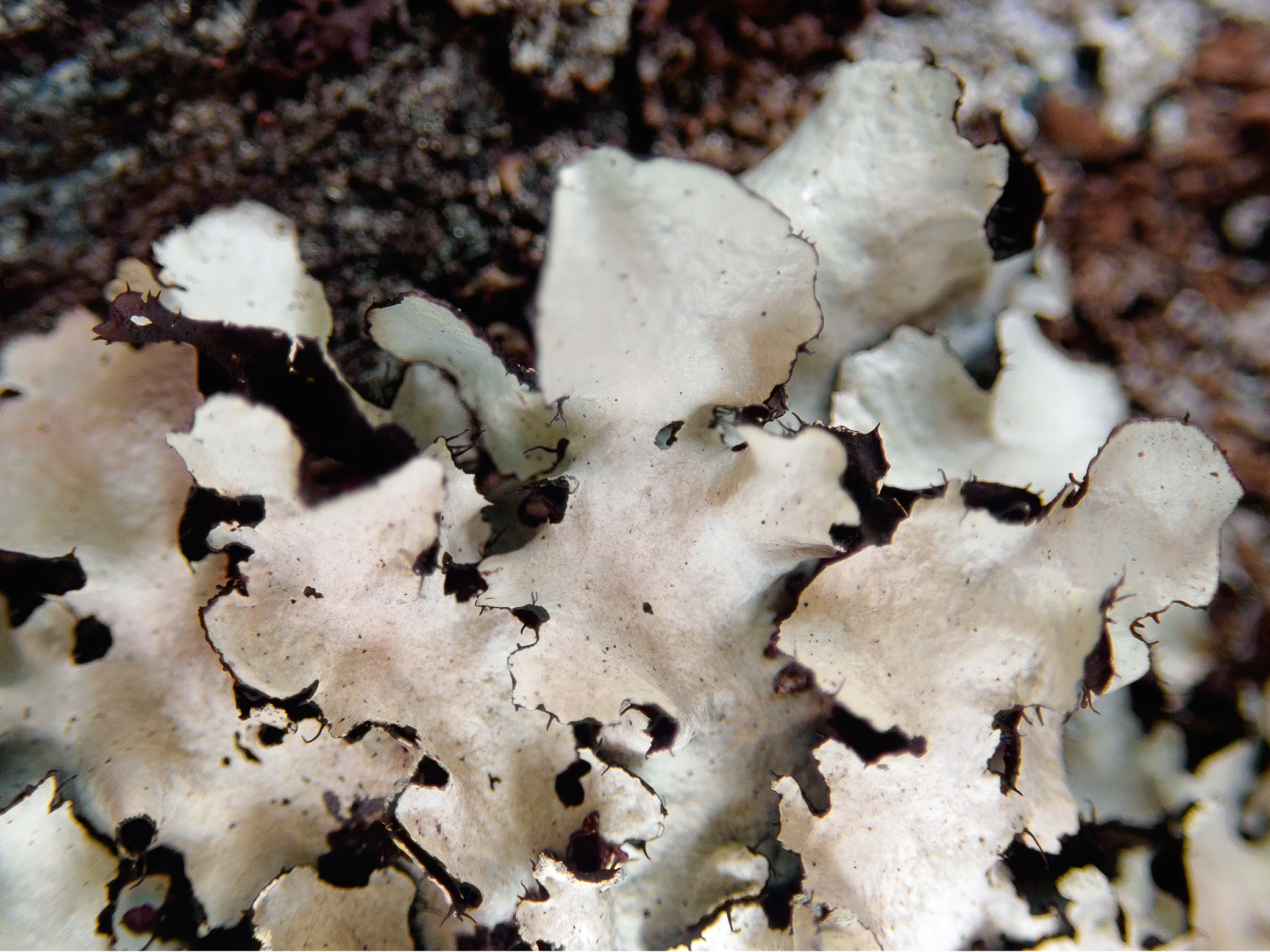
Parmotrema perlatum : Scotland : VC101 Kintyre : NR7385 : August 2023 : On Betula twig : © Anthony Speca : CC BY-SA 4.0
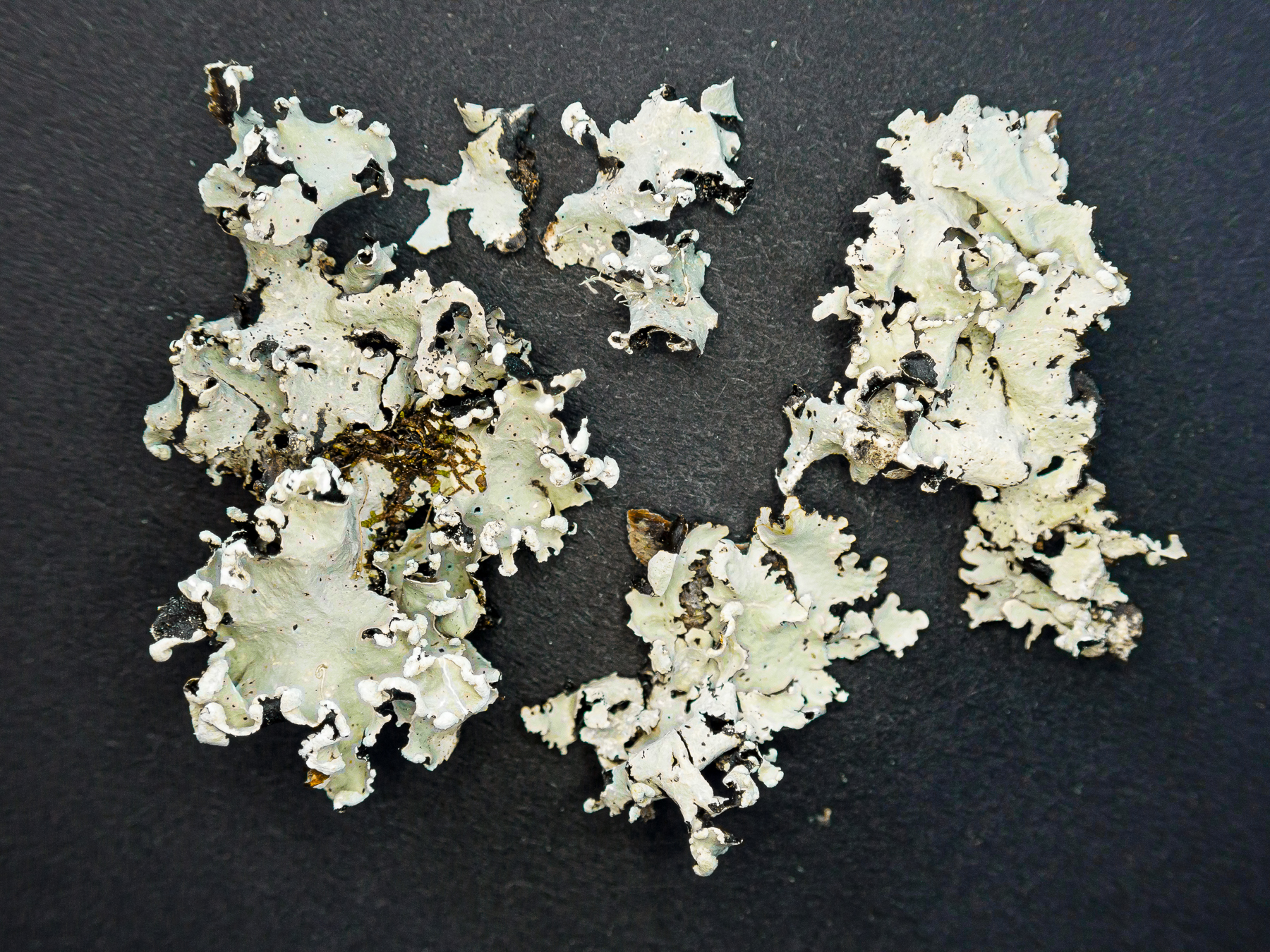
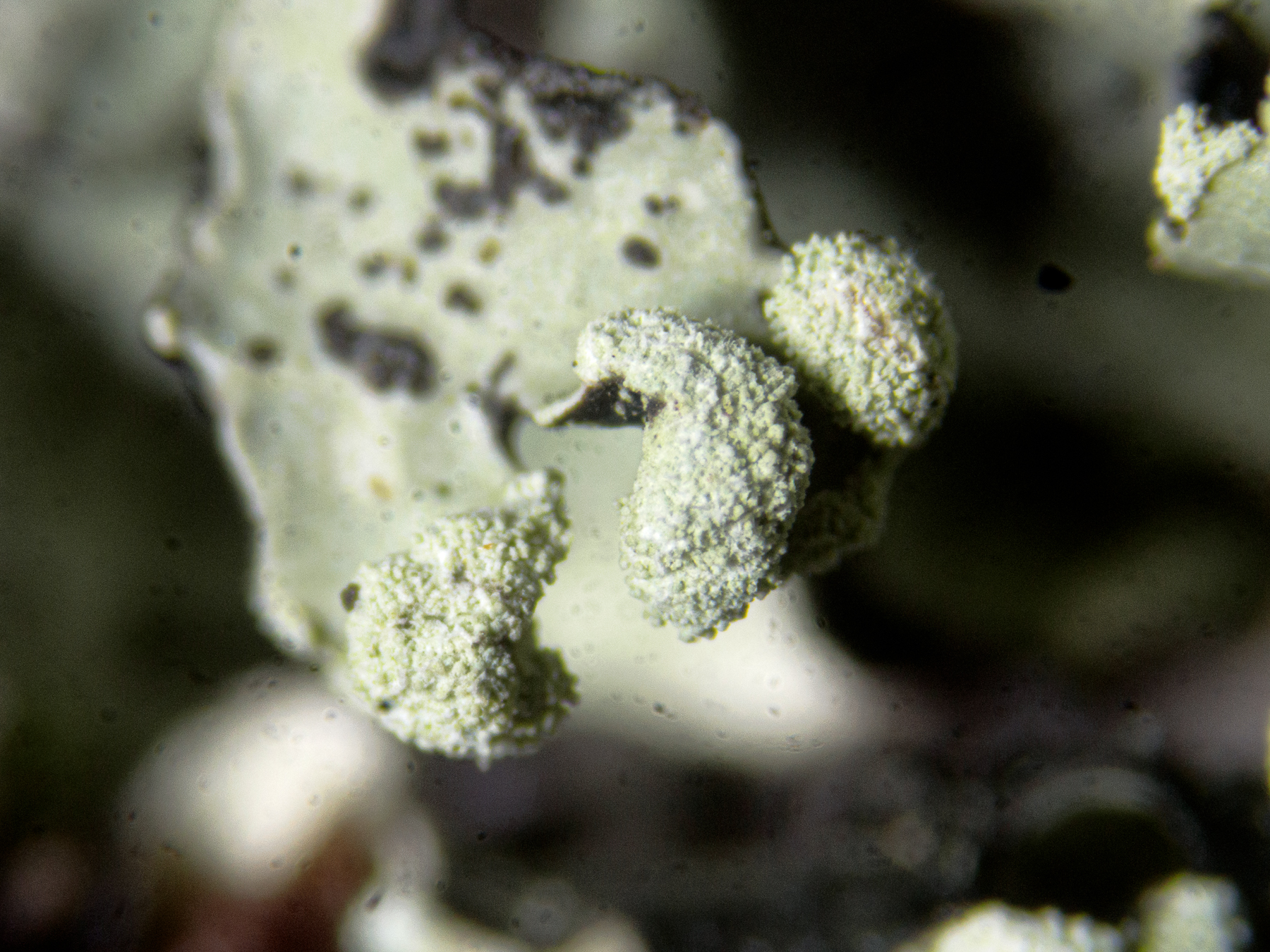
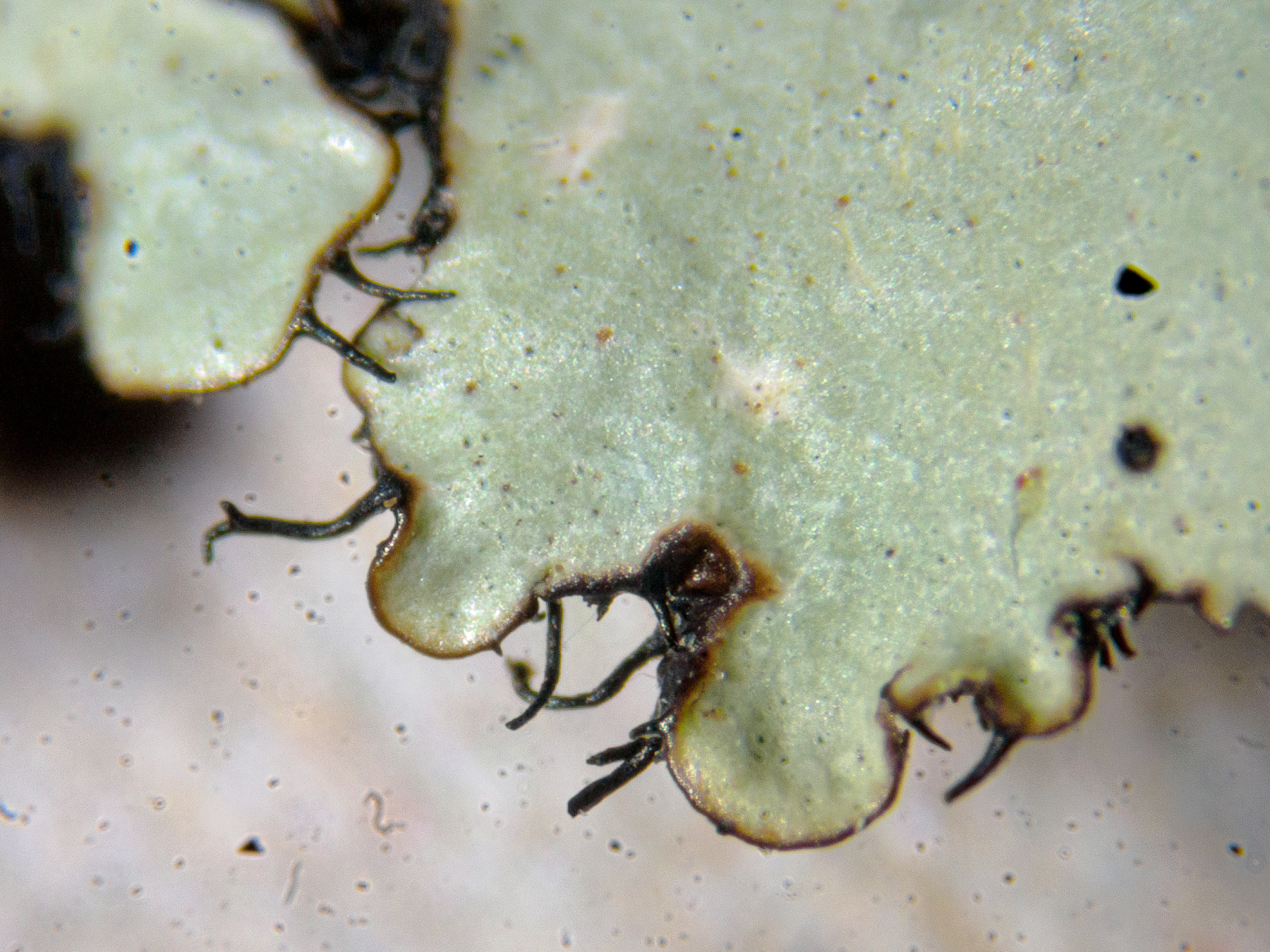
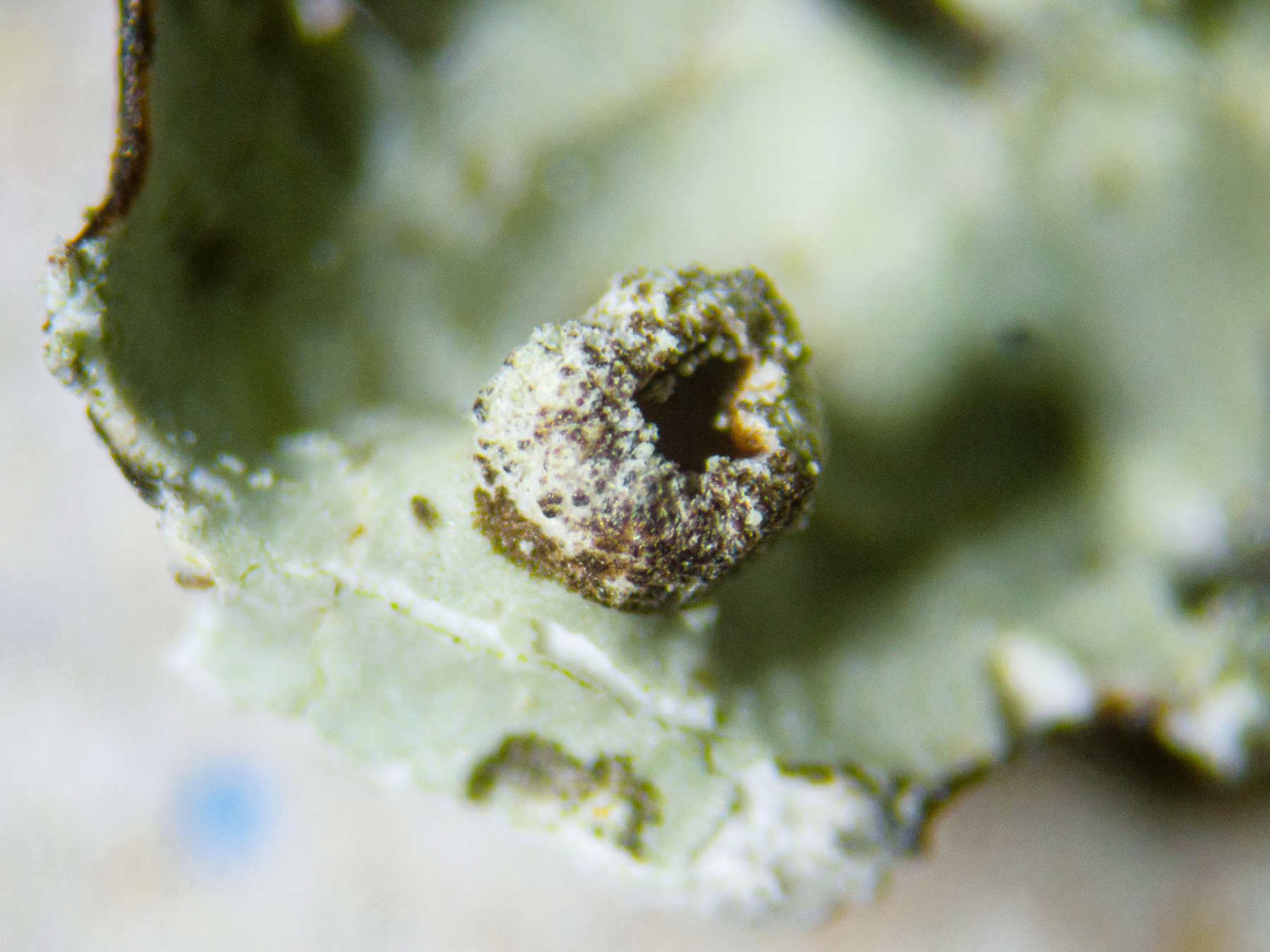
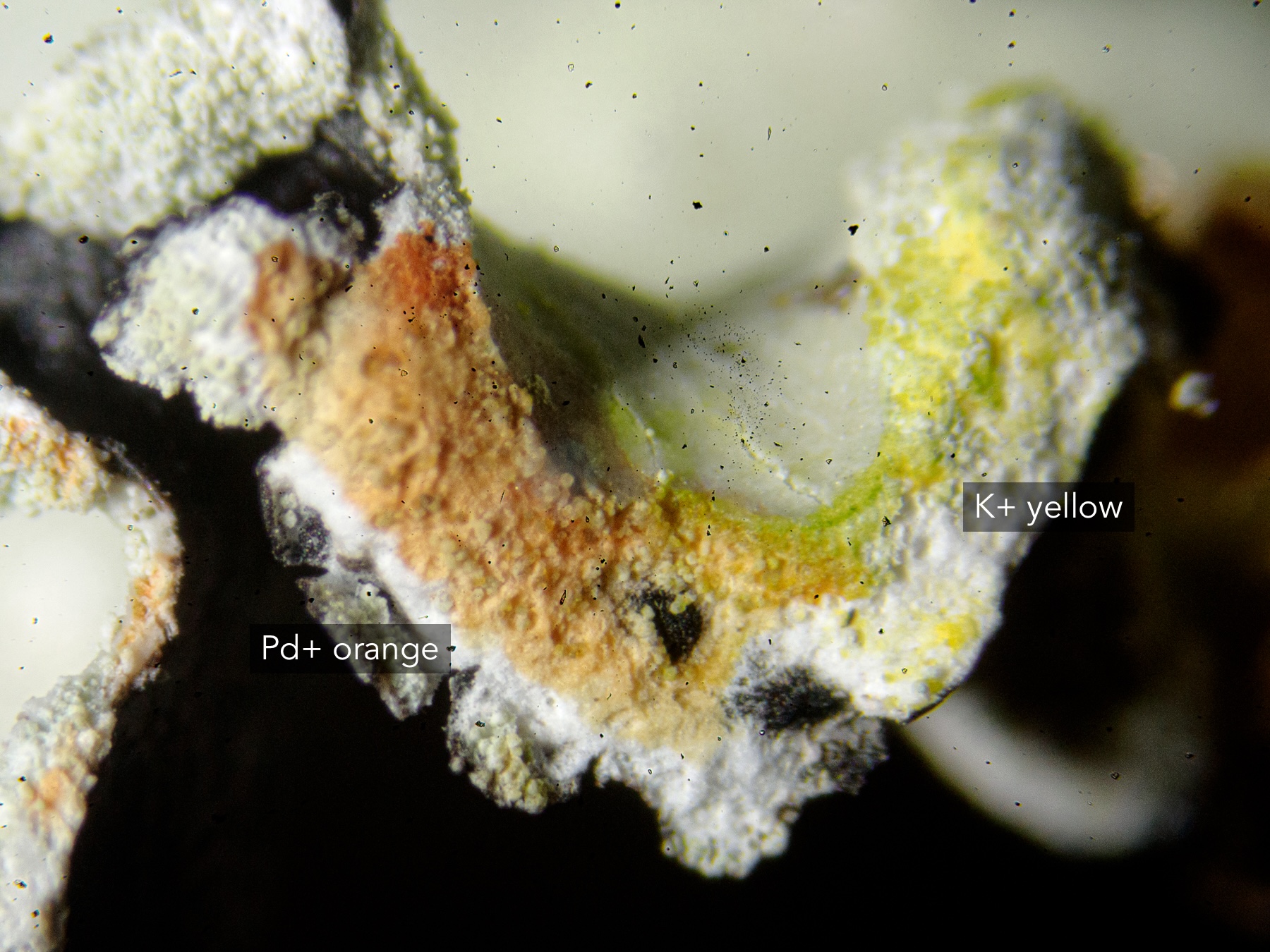
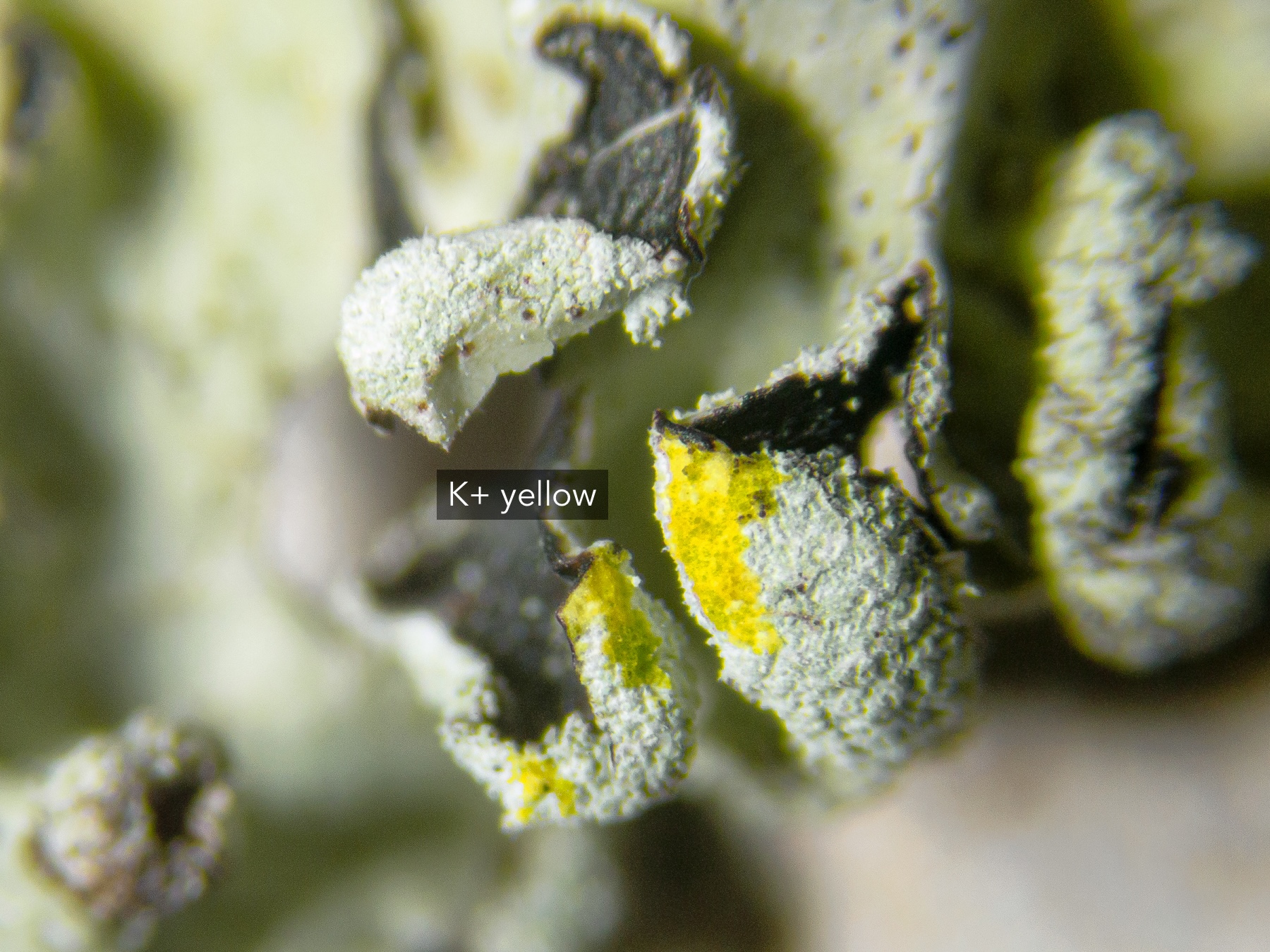
Parmotrema perlatum : Scotland : VC98 Argyll : NR7993 : August 2022 : On siliceous boulder : © Anthony Speca : CC BY-SA 4.0